
When you discover a leak or notice damage on your roof, the first question is usually, “How much is this going to cost?” It is a fair question. The answer depends on several factors that can swing the price from a few hundred dollars to several thousand.
The cost of a professional roof repair in Georgia ranges widely. Expect about $300 for a minor shingle fix, or $5,000 or more for a major repair with structural work. For homeowners in Canton, Cherokee County, and Blue Ridge, understanding these factors helps you make sense of the estimate you receive. It also helps you avoid overpaying — or underpaying for a shortcut repair that fails within a year.
Georgia Roof Repair Cost Ranges at a Glance
Before diving into the details, here is a quick reference for what repairs typically cost across North Georgia:
| Repair Type | Cost Range | Common Examples |
|---|---|---|
| Minor | $300-$500 | Replacing blown-off shingles, sealing pipe boots, fixing nail pops |
| Moderate | $500-$1,500 | Chimney flashing repair, valley repair, small leak with underlayment work |
| Major | $1,500-$5,000+ | Decking replacement, multiple leak sources, large-area shingle replacement |
| Urgent (industry) | +25-50% surcharge | After-hours dispatch, immediate water-intrusion mitigation, temporary containment |
These ranges reflect current material and labor costs in the North Georgia market. Your actual price depends on the specific factors below.
1. The Type of Roofing Material
The material on your roof is one of the primary cost drivers. It dictates both material expense and the skill level required for a proper repair.
- Asphalt shingles — The most common roofing material in Georgia. Repairs are typically the most affordable ($300-$800 for most jobs). Materials are readily available at local supply houses, and our experienced roofers can work with them efficiently.
- Metal roofing — Repairing a standing seam metal roof requires specialized tools and techniques. Matching existing panel profiles and finishes adds complexity. Repairs typically run 30-50% more than comparable asphalt work.
- Specialty materials (slate, tile, cedar shake) — These require highly specialized labor. They often use custom-ordered materials. A single cracked slate tile replacement can cost $500-$1,000, depending on accessibility and matching.
2. The Nature and Extent of the Damage
This is the single biggest variable in any repair estimate. A localized problem is always more affordable to fix than widespread or layered damage.
Minor repairs ($300-$500): Replacing a handful of blown-off shingles, sealing a cracked pipe boot, or hammering down nail pops. These are straightforward fixes an experienced crew can complete in 1-2 hours. They are also the repairs most homeowners put off. That is exactly how a $300 fix turns into a $3,000 problem.
Moderate repairs ($500-$1,500): Repairing flashing around a chimney or in a roof valley, replacing damaged underlayment, or fixing a leak that has affected a moderate area. These jobs require more labor and more material. They also demand a higher level of diagnostic skill to ensure the root cause is addressed — not just the symptoms.
Major repairs ($1,500-$5,000+): When a leak has been active for months or longer, the repair often extends beyond the shingles. You may need to replace rotted wood decking ($3-$5 per square foot), damaged rafters, or saturated insulation. That adds significant cost. This is why addressing leaks early saves money. A problem that starts as a $400 repair can escalate to $4,000 once water has compromised the underlying structure.
If you are concerned about a leak you have been putting off, our article on why you should not ignore a minor roof leak explains exactly how small problems escalate.
3. The Pitch and Steepness of Your Roof
The slope of your roof has a direct impact on labor costs. It also drives the time required to complete a repair safely.
- Low-slope / walkable roofs (4:12 pitch or less): Crews can work efficiently with standard safety equipment, keeping labor costs lower.
- Moderate pitch (5:12 to 8:12): Requires additional safety precautions including harnesses and roof brackets. Expect a 15-25% labor increase.
- Steep-slope roofs (9:12 and above): A steep roof is a significant safety challenge. It requires harnesses, roof jacks, specialized staging, and a deliberately slower pace. The labor premium can add 30-50% to the base repair cost.
Many homes in North Georgia’s mountain communities — particularly in Blue Ridge, Ellijay, and Dahlonega — have steeper roof designs that complement the terrain. This is an important factor to discuss with your contractor when you get an estimate.
4. Accessibility and Location
Can equipment and materials reach your roof easily? Accessibility factors that influence cost include:
- Landscaping and obstacles — Delicate landscaping, fences, or narrow driveways that limit equipment staging can add setup time and labor.
- Multi-story homes — Higher roofs require more time for material hauling. They also have additional safety requirements.
- Remote location — Homes in rural areas of North Georgia may have longer drive times and limited material delivery options. That can modestly increase costs.
- Roof complexity — Multiple dormers, valleys, skylights, and penetrations create more potential failure points. They also require more careful repair work.
5. Urgent and After-Hours Service
For urgent roofing work — after-hours dispatch for a sudden leak, immediate response to fallen debris, or temporary containment during an active storm — expect an industry premium of 25-50% above standard pricing.
This surcharge covers immediate crew mobilization, work outside normal hours, and the added risks of urgent conditions. No one wants to pay a premium, but the math is straightforward — a quick $500-$800 containment step can prevent $5,000 or more in interior water damage. If you need immediate containment during an active storm, contact your insurance carrier about emergency mitigation coverage first (most policies reimburse reasonable steps) and then call local contractors about response availability. True Hand Roofing focuses on free storm-damage inspections, insurance documentation, and permanent roof repair or replacement — other contractors in the region may offer immediate-response services.
6. Seasonal Timing and Hail Season
Georgia’s hail season runs primarily from March through June, with peak activity in April and May. After a major hail event, roofing demand surges across North Georgia. That surge can affect both scheduling and pricing:
- Material availability — High demand can temporarily strain local supply, particularly for specific shingle colors or specialty materials.
- Scheduling delays — Repair timelines may extend from days to weeks as contractors work through a backlog.
- Insurance claim volume — Adjusters are busier, which can slow claim processing.
Getting your roof inspected promptly after a storm gives you the best chance of faster repairs and smoother insurance processing. The key is to act before the backlog peaks. If your repair involves an insurance claim, our guide on 5 mistakes when filing a roof insurance claim covers the key pitfalls to avoid.
The Importance of a Detailed Estimate
A professional roofing contractor will never give you a reliable price over the phone. Accurate pricing requires a thorough, hands-on roof inspection. That inspection diagnoses the problem, assesses the full scope of damage, and checks for underlying issues that are not visible from the ground.
A proper estimate should include:
- Line-item breakdown of materials and labor
- Scope of work describing exactly what will be repaired and how
- Warranty information covering both materials and workmanship
- Timeline for completion
- Payment terms with no money required upfront before work begins
Be cautious of any contractor who provides a quote without climbing on your roof, offers a verbal-only estimate, or demands full payment before starting work.
When to Call a Professional
Do not wait for a small problem to become an expensive one. Here are the signs that it is time to call for a professional repair:
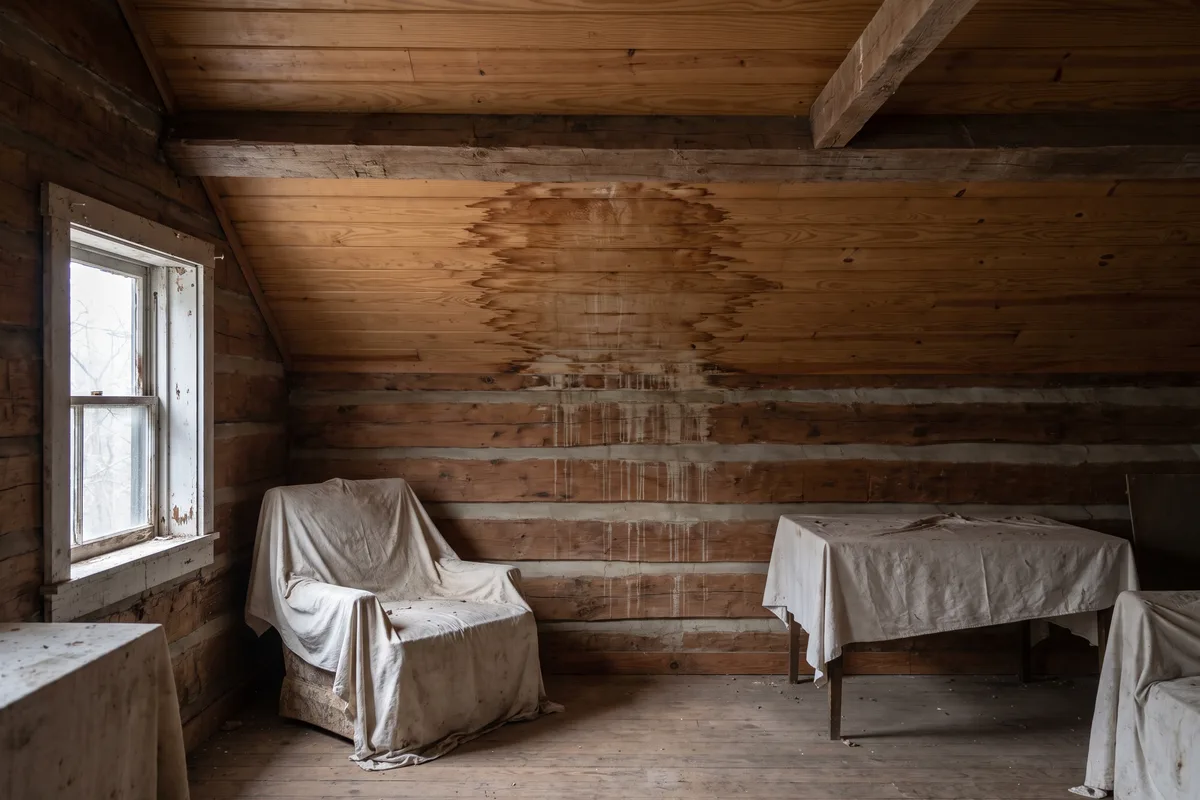
- Water stains on ceilings or walls
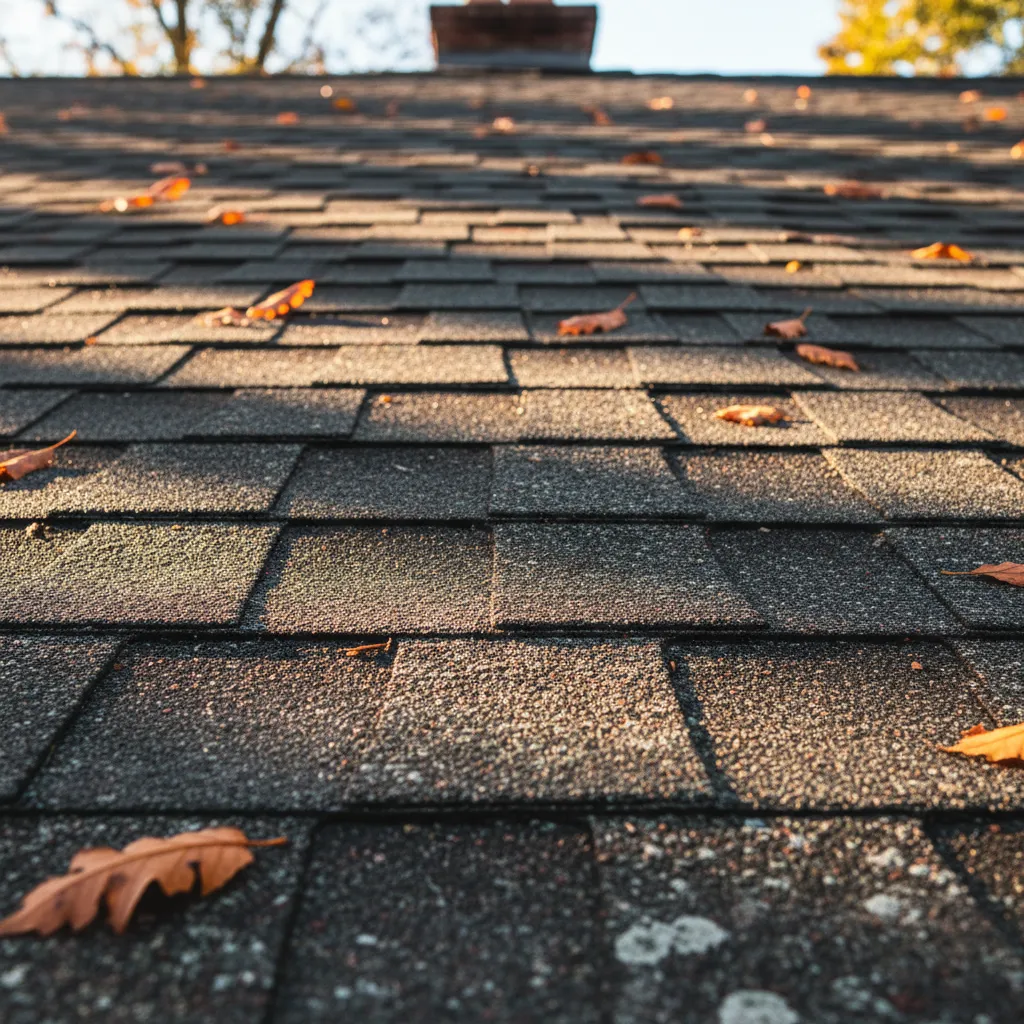
- Missing, cracked, or curling shingles visible from the ground
- Granules accumulating in gutters (a sign of shingle deterioration)
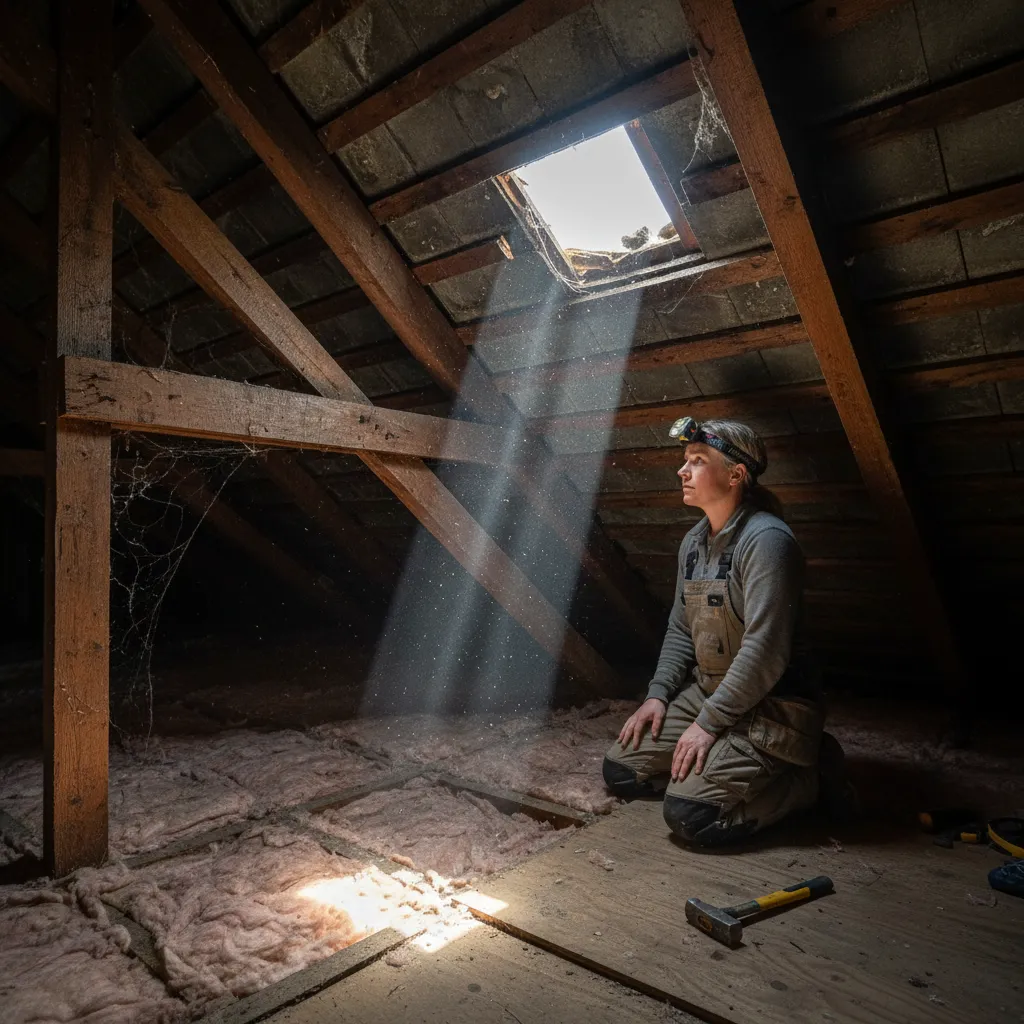
- Daylight visible through the attic roof boards
- Musty odors in the attic or upper floors
- Higher-than-normal energy bills (indicating compromised insulation)
Curious what your roof repair will cost? Contact True Hand Roofing to schedule a free, no-obligation inspection and receive a detailed repair estimate. Or get started now with a free instant estimate.
Related articles: Don’t Make These 5 Mistakes When Filing a Roof Insurance Claim | The Silent Destroyer: Why You Shouldn’t Ignore a Minor Roof Leak