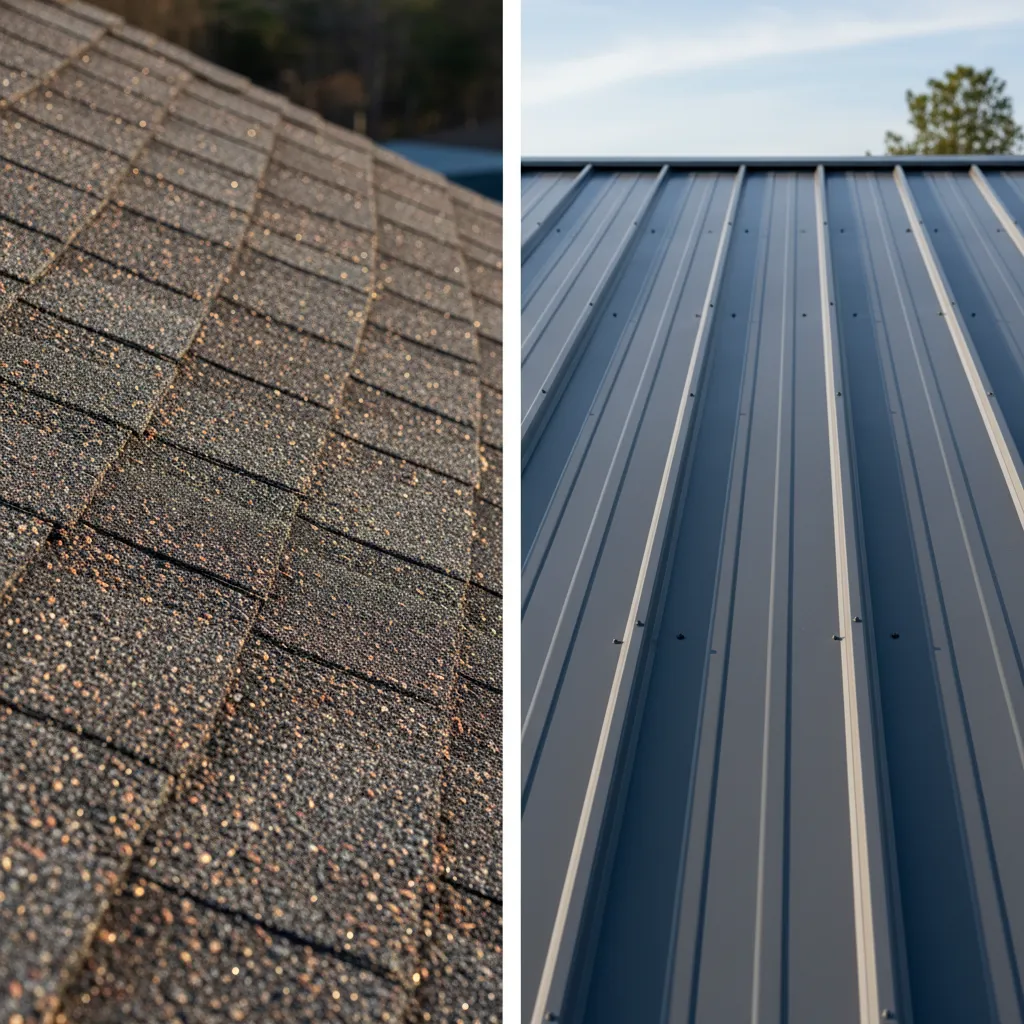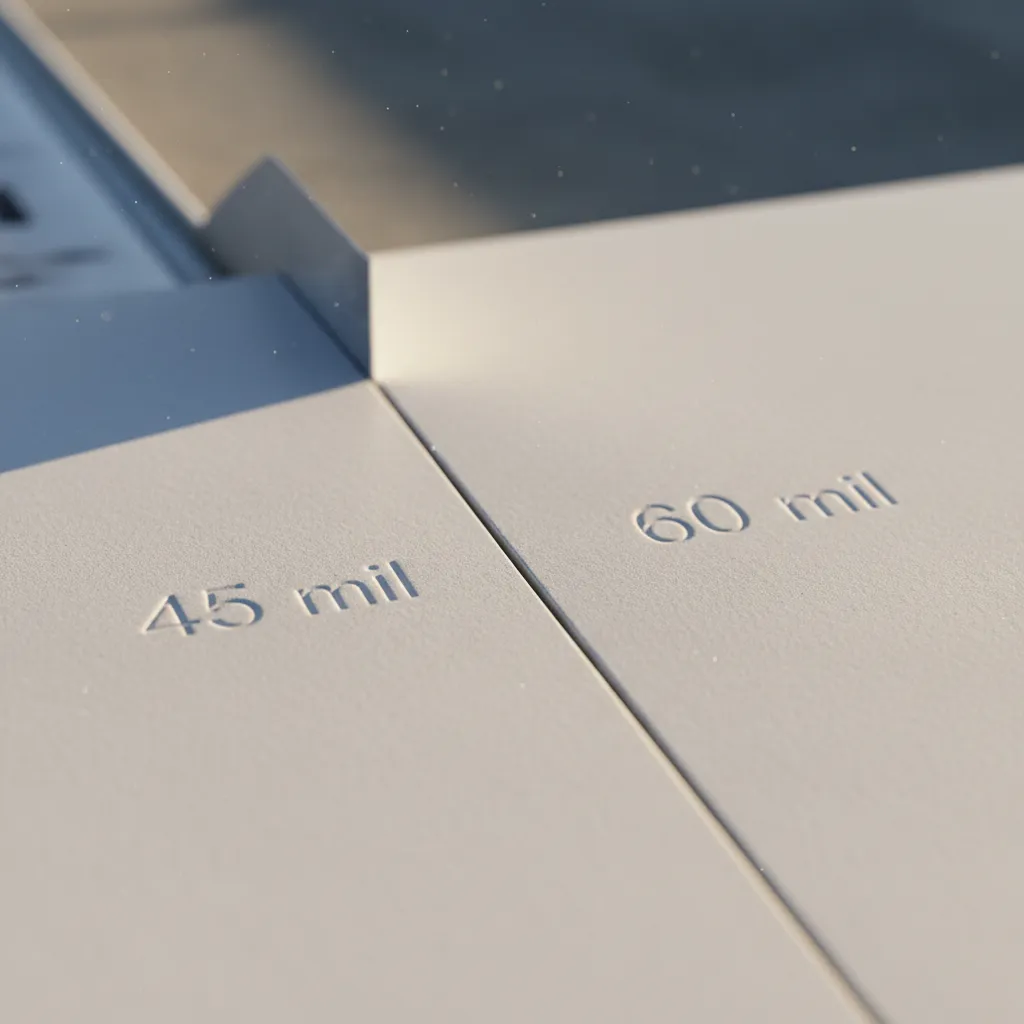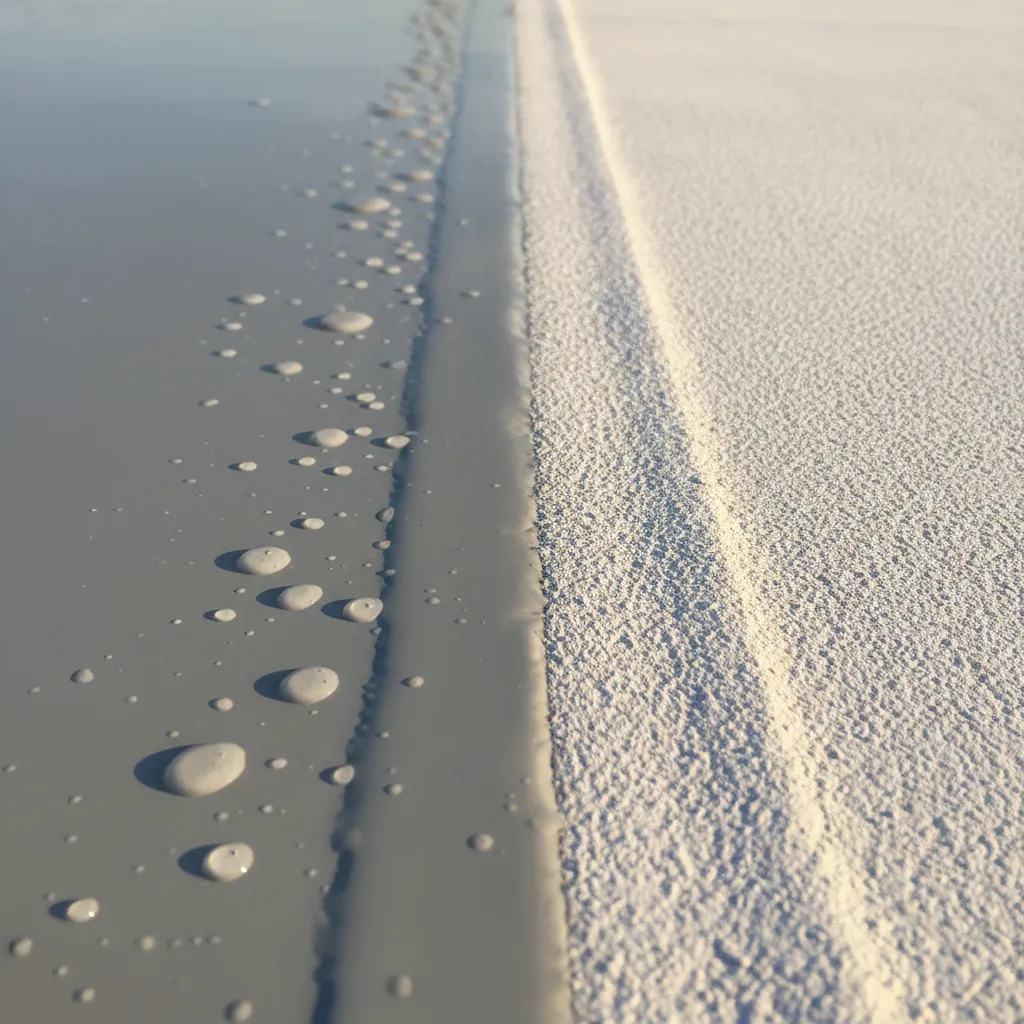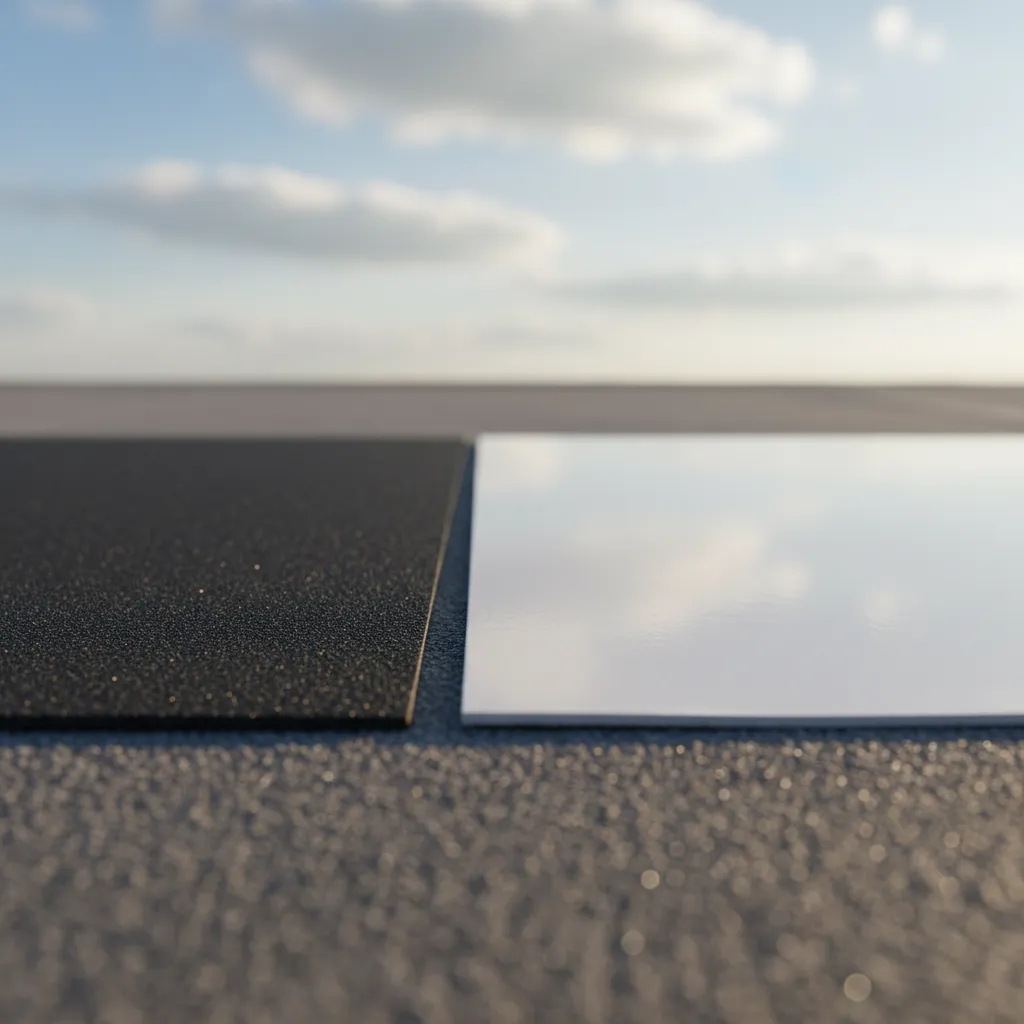
For decades, when you chose an EPDM roofing system, you had one color choice: black. The carbon black mixed into the membrane is a key reason for its legendary durability and UV resistance. But today, building owners have another option: white EPDM.
Both black and white EPDM offer the same exceptional durability, flexibility, and longevity that the material is known for. The difference comes down to how they handle the sun’s energy — a critical consideration for commercial buildings across Cherokee County, Chatsworth, and the rest of North Georgia’s hot, sunny climate.
Black EPDM: The Traditional Workhorse
Traditional black EPDM is a fantastic roofing material with a 50+ year track record of success.
Pros:
- Superior Durability: The carbon black in the membrane provides excellent protection against UV degradation, contributing to its very long service life.
- Heat Absorption in Winter: In colder months, the black surface can absorb solar heat, which can help to slightly reduce heating costs and melt snow or frost more quickly.
- Lower Material Cost: Black EPDM is generally less expensive than its white counterpart.
Cons:
- High Heat Absorption in Summer: This is the major drawback in our climate. The black surface absorbs a massive amount of solar energy, causing the roof surface to become extremely hot. This heat radiates into the building, significantly increasing the load on your air conditioning system and leading to higher energy bills.
White EPDM: The Modern, "Cool Roof" Alternative
White EPDM is engineered to provide the same rubber-based durability with the added, significant benefit of solar reflectivity.
Pros:
- Massive Energy Savings: This is the primary advantage. The brilliant white surface reflects the majority of the sun's UV rays, keeping the roof surface dramatically cooler. This is known as a "cool roof." A cooler roof means less heat transferring into your building, which can lower your summer energy costs by 15-25%.
- Reduced HVAC Strain: Because your air conditioning units don't have to work as hard, you reduce the wear and tear on your expensive HVAC equipment, potentially leading to a longer service life.
- Environmental Benefits: Lower energy consumption means a smaller carbon footprint for your building.
Cons:
- Higher Material Cost: White EPDM is a more premium product and comes with a higher upfront material cost than black EPDM.
- Shows Dirt More Easily: Like any white surface, it will show dirt and dust more readily than a black roof. However, this has a minimal impact on its overall reflectivity and performance.
The Verdict for Georgia Buildings
While traditional black EPDM is a durable and cost-effective material, its heat-absorbing properties make it a less-than-ideal choice for our climate. The long, hot, and humid summers in Georgia mean that air conditioning is one of the biggest operational expenses for any commercial building.
For this reason, we strongly recommend white EPDM for most commercial properties in Georgia.
The upfront investment is slightly higher, but the significant, year-after-year savings on your cooling costs will provide a strong return on that investment. A white EPDM roof is a smart, long-term decision that combines the proven durability of a rubber roof with the modern energy efficiency of a cool roof.
Georgia Climate: Why Your EPDM Color Choice Matters Even More
North Georgia’s climate puts unique demands on commercial roofing systems. The region receives 55+ inches of annual rainfall, well above the national average, which means your roof’s waterproofing performance is constantly being tested. Summer UV index readings regularly hit 7-8 on the scale, accelerating the degradation of unprotected roofing materials. And with 200+ cooling degree days annually, air conditioning is a major operational expense for every commercial building in the region.
These conditions make the black-vs-white EPDM decision even more consequential than in milder climates. A black EPDM roof absorbing Georgia’s intense summer sun can reach surface temperatures of 150-170°F, creating enormous thermal cycling stress as the membrane expands during the day and contracts at night. Over years, this constant expansion and contraction fatigues seams and accelerates aging. White EPDM reflects the majority of that solar radiation, keeping surface temperatures dramatically lower and reducing thermal cycling stress by up to 50%. The result is less strain on your roof’s seams, adhesives, and membrane — and potentially a longer service life.
Georgia’s combination of heavy rainfall and intense UV also means that any compromise in your membrane’s integrity gets exploited quickly. A small seam separation that might go unnoticed in a drier climate can lead to significant water intrusion during one of our frequent downpours. By reducing thermal stress, white EPDM helps your seams stay tight longer. For a deeper look at EPDM roofing systems and installation options, visit our commercial roofing services page.
2026 EPDM Pricing for Georgia Commercial Buildings
Understanding the real cost difference between black and white EPDM helps building owners make an informed decision. Here are current installed pricing ranges for Georgia commercial projects:
Black EPDM: $5-7 per square foot installed, including membrane, insulation, and adhesive. For a 10,000 square foot commercial roof, expect a total project cost of $50,000-$70,000.
White EPDM: $6-9 per square foot installed. The same 10,000 square foot roof runs $60,000-$90,000. The premium reflects the higher material cost of the white membrane and any additional reflective coating.
The price gap is real — but so is the payback. With white EPDM reducing cooling costs by 15-25%, a building spending $3,000-$5,000 per month on summer cooling can recoup the $10,000-$20,000 premium within 3-5 years. After that, the energy savings are pure profit for the life of the roof. Factor in reduced HVAC wear and potential utility rebates for cool roof installations, and the ROI becomes even more compelling.
Pricing varies based on roof complexity, access, existing conditions, and insulation requirements. Contact us for a free estimate specific to your building.
Maintenance & Longevity
Both black and white EPDM roofs share the same fundamental maintenance requirements, and both deliver exceptional longevity when properly cared for. With annual inspections and basic upkeep, either color can last 25-30+ years in Georgia’s climate.
Your annual maintenance checklist should include:
- Clear all debris — leaves, branches, and dirt accumulation trap moisture and can clog drainage systems. Georgia's dense tree cover makes this especially important.
- Inspect seams and flashings — check all seam adhesion and perimeter flashings for separation or lifting. Catch small issues before they become leak sources.
- Check for ponding water — any standing water remaining 48+ hours after rain indicates drainage problems. Ponding accelerates membrane wear regardless of color.
- Examine penetrations — HVAC curbs, pipe boots, and vent flashings are the most common leak points. Ensure all sealants are intact.
The one additional consideration for white EPDM is periodic cleaning to maintain reflectivity. Dirt, pollen, and algae buildup — common in Georgia’s humid environment — can reduce the membrane’s solar reflectance over time. A simple pressure wash every 2-3 years restores reflective performance. This is a minor investment compared to the ongoing energy savings.
For related maintenance guidance, our article on extending your commercial roof’s lifespan covers additional best practices.
Which Georgia Buildings Benefit Most from White EPDM?
While we recommend white EPDM for most Georgia commercial properties, certain building types see the greatest return on the investment:
Warehouses and distribution centers are ideal candidates. Their large, unshaded roof areas absorb enormous amounts of solar energy, and their high volume interiors are expensive to cool. A white EPDM roof on a 50,000+ square foot warehouse can reduce cooling costs by thousands of dollars per month during peak summer.
Retail centers and strip malls benefit significantly because customer comfort directly impacts revenue. A cooler interior means shoppers stay longer, and tenants spend less on their utility bills — making your property more attractive to lease.
Office buildings with high occupancy generate considerable internal heat from people, computers, and lighting. Adding solar heat absorption from a black roof compounds the cooling challenge. White EPDM reduces the external heat load so your HVAC system can focus on managing internal gains.
Buildings with limited insulation — particularly older commercial structures — see the most dramatic temperature difference from a white EPDM upgrade. When the insulation layer is thin, the membrane color has an outsized impact on interior temperatures.
The exception: In rare cases, buildings that are heated-only and never cooled — such as certain agricultural storage buildings — may actually benefit from black EPDM’s heat absorption during winter months. However, these situations are uncommon in Georgia where cooling dominates energy costs for 6-8 months of the year.
Ready to see the numbers for your building? Visit our EPDM roofing page for more details on our installation process, or contact True Hand Roofing for a free side-by-side estimate comparing black and white EPDM for your specific roof. We’ll walk you through the pricing, energy savings projections, and the best option for your building’s needs.