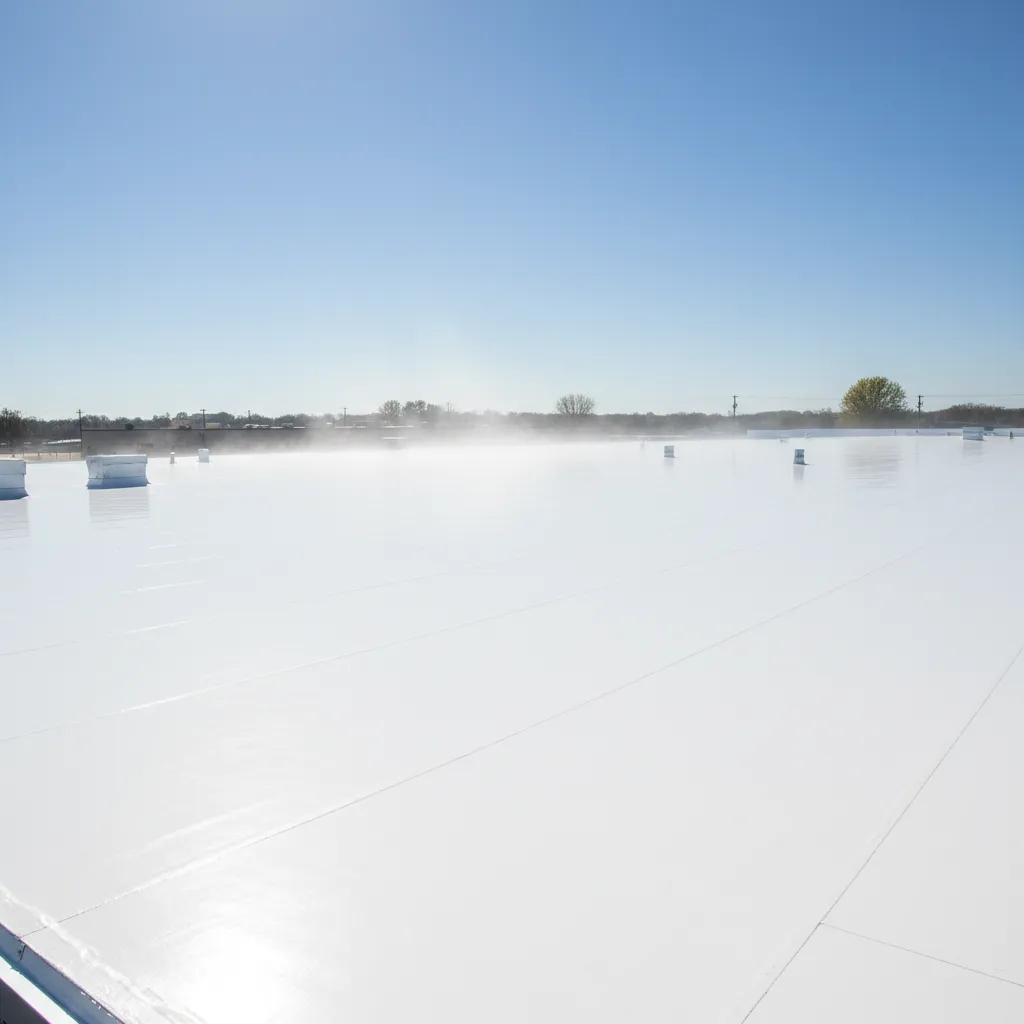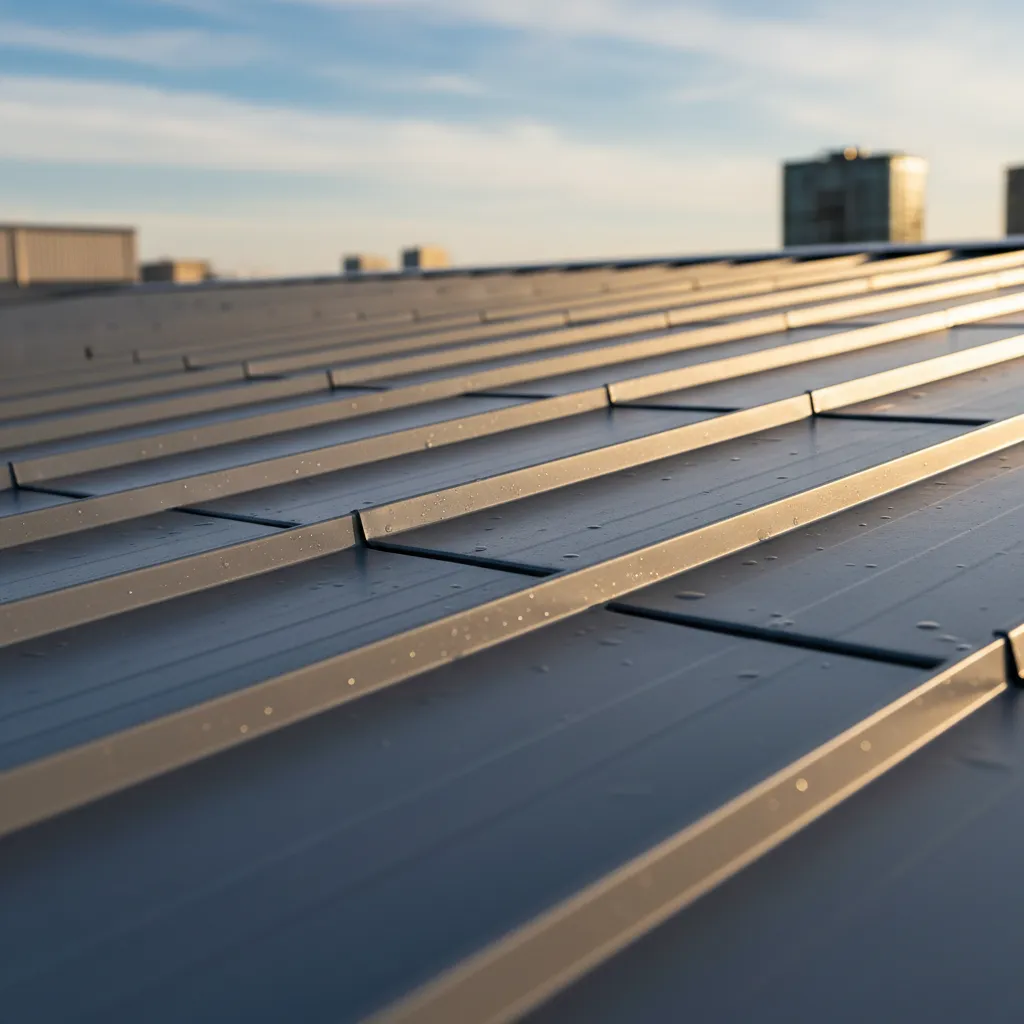
The benefits of a metal roof retrofit are compelling: no tear-off of the existing roof, a permanent solution to chronic leaks, dramatically improved energy efficiency, and a lifespan of 40-60 years. For aging commercial buildings with failing flat roofs, a metal retrofit is often the smartest long-term investment available. But before moving forward, one critical question must be answered first:
Can my building's structure safely support the new system?
This is the most important technical consideration in any retrofit project, and the answer requires a professional structural analysis. At True Hand Roofing, our team brings 40+ years of combined experience evaluating commercial buildings across Canton, Blue Ridge, Chatsworth, and throughout North Georgia. Here is what goes into that evaluation — and why most buildings pass with room to spare.
Understanding the Weight of a Retrofit System
A metal retrofit system is specifically engineered to be as lightweight as possible while delivering exceptional structural strength. The system consists of two main components:
- The steel sub-framing: Light-gauge, high-strength steel posts and purlins create a new sloped frame over your existing flat (or low-slope) roof. These members are spaced at calculated intervals to distribute the load evenly across the existing structure.
- The standing seam metal panels: Typically 24-gauge steel panels that lock together with raised seams, creating a continuous, watertight surface. Despite their strength, these panels are remarkably thin and lightweight.
On average, a complete metal retrofit system adds only 2-4 pounds per square foot (psf) of dead load to your existing roof structure. For a 10,000-square-foot building, that is an additional 20,000-40,000 pounds distributed evenly across the entire roof surface — well within the reserve capacity of most code-built commercial structures.
Weight Comparison: Metal Retrofit vs. Other Roofing Systems
To appreciate how lightweight a metal retrofit truly is, consider how it compares to other common commercial and residential roofing materials:
| Roofing Material | Weight (psf) |
|---|---|
| TPO or EPDM (single-ply membrane) | 0.5 - 1.0 psf |
| Metal retrofit system (complete) | 2 - 4 psf |
| Asphalt shingles (residential) | 2.5 - 4.0 psf |
| Modified bitumen (2-ply) | 3.0 - 5.0 psf |
| Built-up roofing (tar and gravel) | 6 - 10 psf |
| Concrete tile | 9 - 12 psf |
A key takeaway: the weight added by a metal retrofit is often less than the weight of the built-up tar and gravel roof that is already on many older commercial buildings. However, the retrofit adds to the existing load rather than replacing it, which is why the structural assessment is non-negotiable.
The Structural Assessment Process
Before recommending a metal retrofit, a qualified structural engineer or experienced retrofit designer performs a thorough analysis. This process typically costs $500-$1,500 depending on the size and complexity of the building, and it involves four key steps:
1. Reviewing original building plans
If available, the engineer reviews the original architectural and structural drawings to understand the building’s design load capacities, structural member sizes, column and joist spacing, and foundation specifications. These documents reveal the building’s engineered limits and how much reserve capacity exists beyond the current load.
2. On-site structural inspection
An on-site visit verifies the as-built conditions of the structure. The engineer inspects the type and spacing of roof joists, purlins, and columns. They check for signs of existing structural stress — sagging, cracking, corrosion, or modifications made since original construction. They also examine the connection points between the roof structure and the supporting walls or columns, as these joints must transfer the additional load safely to the foundation.
3. Load capacity calculations
The engineer calculates three critical values:
- Existing dead load: The weight of the current structure, including the existing roof system, insulation, mechanical equipment, and suspended ceiling systems.
- Existing live load capacity: The weight the structure was designed to handle from temporary sources — snow, rain ponding, maintenance personnel, and equipment. North Georgia typically falls under 20 psf ground snow load requirements.
- Reserve capacity: The difference between the structure's total design capacity and its current load. This is where the 2-4 psf of the retrofit system must fit.
4. Code compliance verification
The engineer ensures that the addition of the retrofit system will not exceed load capacity limits defined by current Georgia building codes. This includes verifying wind uplift resistance — critical in North Georgia where storms can generate significant wind loads — and confirming the new system meets local seismic requirements if applicable.
The Financial Case for a Metal Retrofit
A metal retrofit at $6-$12 per square foot may seem like a significant investment compared to a membrane re-roof at $4-$8 per square foot. But the total cost of ownership tells a very different story:
- No tear-off costs: A retrofit saves $2-$4 per square foot in tear-off and disposal costs that a full replacement would require. On a 10,000-square-foot building, that is $20,000-$40,000 in savings on day one.
- 40-60 year lifespan: Most membrane roofs need replacement every 15-25 years. A metal retrofit lasts 40-60 years, meaning you avoid 2-3 re-roofing cycles over the life of the building.
- Energy savings: The raised metal panel system creates an air gap over the existing roof that acts as thermal insulation. Combined with reflective metal coatings, building owners typically see 10-25% reductions in cooling costs — a significant saving in Georgia's long, hot summers.
- Minimal disruption: Because the retrofit is installed over the existing roof, your building stays fully enclosed and weathertight during the entire installation. There is no tear-off phase, no exposed interior, and no need to relocate inventory or equipment. Most businesses operate normally throughout the project.
For a deeper look at standing seam metal panels and why they are the preferred panel type for retrofit systems, read our article on standing seam metal: the heart of a durable retrofit system.
Which Buildings Are Good Candidates?
The good news is that most modern commercial buildings constructed to code have more than enough reserve structural capacity to safely support a metal retrofit. The system is specifically designed to work with a wide range of existing structures, including:
- Metal buildings (pre-engineered steel)
- Concrete tilt-up and block construction
- Steel frame commercial buildings
- Wood frame structures (with verification)
- Buildings with existing built-up, modified bitumen, EPDM, or TPO roofing
Buildings that may require additional engineering or may not be ideal candidates include very old structures with deteriorated framing, buildings where significant modifications have reduced structural capacity, or structures in extremely high wind zones that require enhanced uplift resistance.
If your existing flat roof is chronically leaking and you are tired of patch-after-patch repairs, a retrofit may be the permanent solution. Learn more about the overall approach in our article Don't Replace, Retrofit: The Smart Solution for a Failing Flat Roof.
When to Call a Professional
If your commercial building has a flat or low-slope roof that is nearing the end of its useful life — especially if you have already re-roofed once or twice — a metal retrofit assessment is the logical next step. The structural analysis is a small investment ($500-$1,500) that determines whether your building can benefit from a 40-60 year permanent roofing solution.
Wondering if your building is a good candidate? Contact True Hand Roofing for a free initial consultation and assessment. We serve commercial building owners across Canton, Blue Ridge, Chatsworth, and all of North Georgia. You can also get started with our free instant estimate tool.
Frequently Asked Questions
How much weight does a metal retrofit add to my building?
How much does a metal retrofit cost?
Do I need to remove my old roof before a metal retrofit?
How long does a metal retrofit last?
Can a metal retrofit be installed while my business is open?
Related reading: Standing Seam Metal: The Heart of a Durable Roof Retrofit System | Don't Replace, Retrofit: The Smart Solution for a Failing Flat Roof