In the world of commercial roofing, trends come and go. New materials and technologies appear every decade, each promising to revolutionize the industry. But for over half a century, one material has quietly and consistently outperformed the hype: EPDM.
EPDM (Ethylene Propylene Diene Monomer) is a high-performance synthetic rubber membrane that has been protecting flat and low-slope commercial buildings since the 1960s. Often simply called a “rubber roof,” EPDM has a longer real-world track record than any other single-ply roofing system on the market. Buildings roofed with EPDM 40 years ago are still performing today — that kind of proven durability is hard to argue with.
For commercial building owners across Blue Ridge, Canton, and Ellijay, EPDM remains one of the most cost-effective and reliable roofing investments available. Our team brings over 40 years of combined experience installing and servicing rubber roofing systems, and here’s everything you need to know about this time-tested material.
What Makes EPDM So Durable
The primary strength of EPDM is its chemical composition. The ethylene propylene diene monomer compound creates a rubber membrane that is inherently resistant to the three biggest enemies of any roofing material: UV radiation, temperature extremes, and mechanical stress.
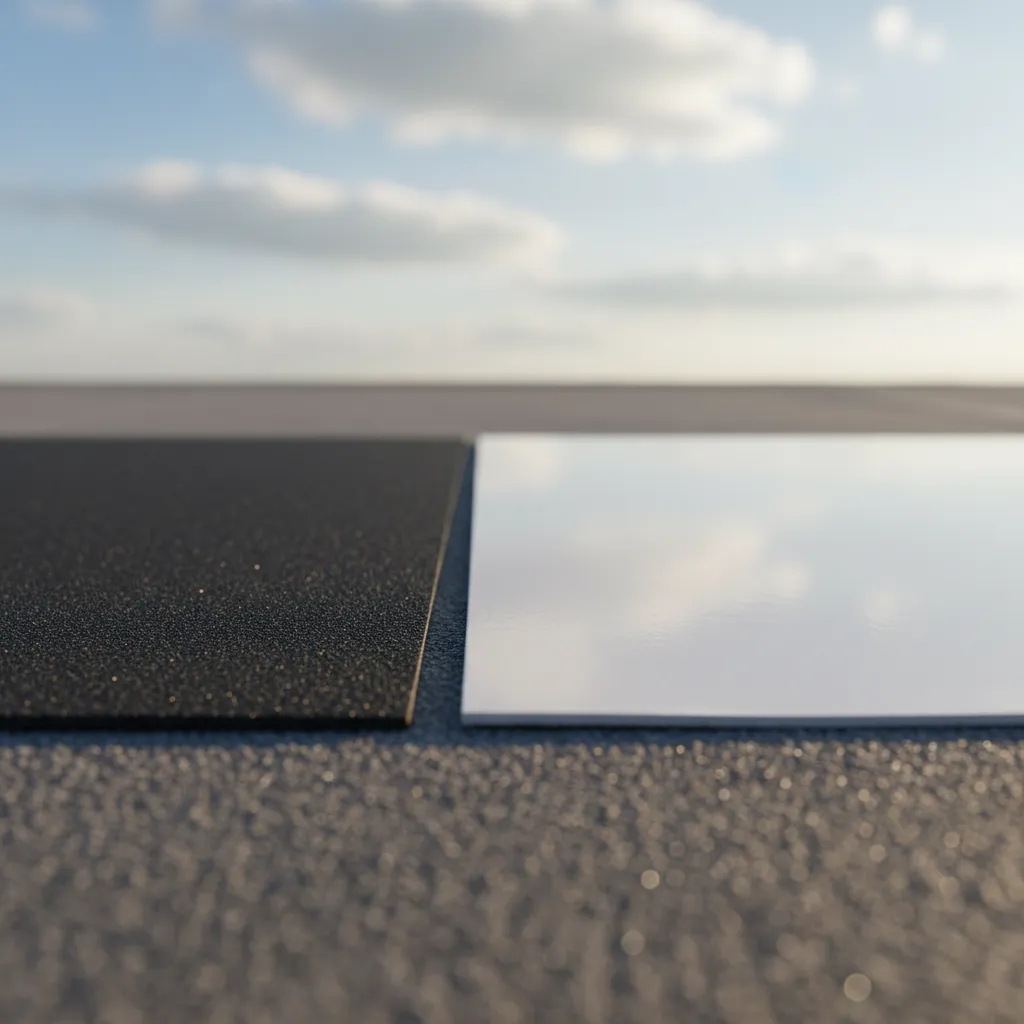
UV and Ozone Resistance. Unlike many roofing materials that degrade, crack, or become brittle under prolonged sun exposure, EPDM’s molecular structure is naturally resistant to UV radiation and atmospheric ozone. This isn’t a coating that wears off — it’s built into the chemistry of the rubber itself. A black EPDM roof installed in the intense Georgia sun will retain its flexibility and waterproofing properties for decades without the UV degradation that shortens the life of many alternatives.
Extreme Temperature Tolerance. EPDM performs reliably across a temperature range of -40 degrees Fahrenheit to 300 degrees Fahrenheit. North Georgia’s climate, which can see temperatures from the low teens in winter to the high 90s in summer, falls well within EPDM’s comfort zone. The rubber membrane expands and contracts smoothly with temperature changes — no cracking, splitting, or loss of adhesion from thermal cycling.
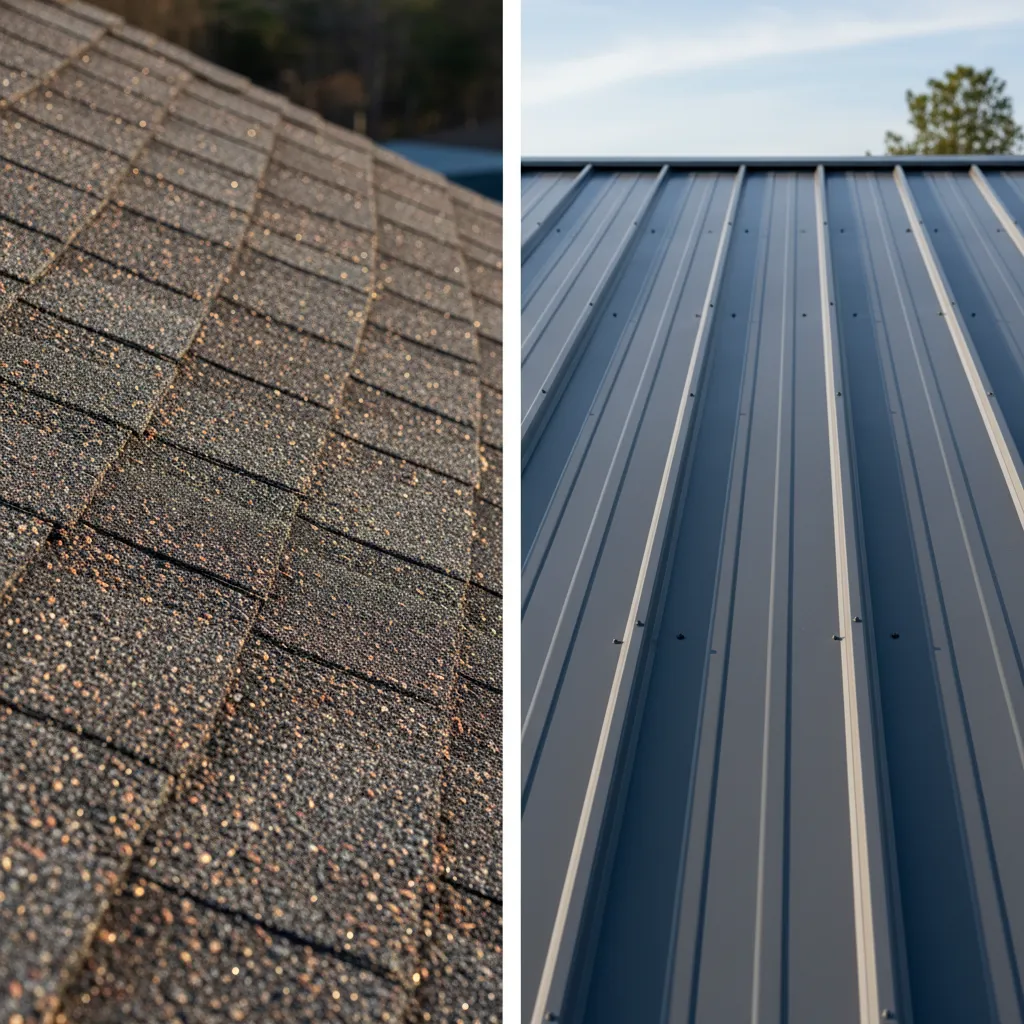
Puncture and Impact Resistance. The thick, rubbery composition of EPDM makes it exceptionally resistant to punctures from falling branches, dropped tools, foot traffic, and hail. During severe storms, EPDM consistently outperforms rigid materials that can crack or shatter on impact. The membrane absorbs impact energy rather than transferring it, which is why EPDM roofs in North Georgia’s storm-prone climate often show little to no damage after hail events that damage shingle and metal roofs.
Flexibility. Large commercial roofs experience significant thermal movement — the deck expands and contracts daily as temperatures change. EPDM can stretch up to 300% of its original dimensions without tearing, making it uniquely suited for large-span roofs where thermal movement is greatest. This flexibility also allows it to bridge small cracks and imperfections in the substrate without compromising waterproofing integrity.
EPDM Cost Breakdown
One of EPDM’s strongest advantages is its cost-effectiveness. At $4-$7 per square foot installed, it delivers excellent long-term value:
| Cost Component | Price Range |
|---|---|
| EPDM membrane (material only) | $1.50-$3.00/sqft |
| Insulation | $1.00-$2.00/sqft |
| Attachment system | $0.50-$1.50/sqft |
| Labor | $1.50-$3.00/sqft |
| Total installed | $4.00-$7.00/sqft |
For a 10,000-square-foot commercial building, that translates to a total investment of $40,000-$70,000 — competitive with or below most other commercial roofing systems. When you factor in EPDM’s 25-30 year lifespan and relatively low maintenance costs, the lifecycle cost per year is among the lowest in the industry.
Three Ways to Install EPDM
EPDM’s versatility extends to its installation options. The membrane can be attached to the roof deck in three different ways, each suited to different building types, budgets, and performance requirements:
Ballasted System ($3-$5/sqft). The membrane and insulation are laid loose over the deck and held in place by a layer of smooth river stone or concrete pavers weighing 10-12 pounds per square foot. This is the fastest and most affordable installation method, and the ballast provides exceptional protection against fire, UV, and physical damage. However, the building structure must support the additional weight.
Fully Adhered System ($5-$7/sqft). The membrane is bonded to the substrate using a specially formulated adhesive, creating a smooth, tight-fitting roof surface. This method adds minimal weight and provides excellent wind uplift resistance. It’s the preferred choice for buildings with irregular roof shapes, limited structural capacity, or high aesthetic requirements.
Mechanically Attached System ($4-$6/sqft). The membrane is secured to the deck using metal plates and fasteners placed within the seam overlaps. This is the most common method, offering a good balance of cost, wind resistance, and installation speed. It’s suitable for the widest range of building types.
For a detailed comparison of these three methods, including Georgia-specific wind code considerations, read our guide on ballasted, adhered, or mechanically attached EPDM systems.
EPDM vs. TPO vs. PVC: How They Compare
While EPDM has a proven track record, it’s important to understand how it compares to the other major single-ply roofing systems:
| Feature | EPDM | TPO | PVC |
|---|---|---|---|
| Track record | 50+ years | 25+ years | 40+ years |
| Color | Black (white available) | White | White or gray |
| Solar reflectance | 5-10% (black) | 80-90% | 80-85% |
| Cost per sqft | $4-$7 | $5-$8 | $6-$10 |
| Lifespan | 25-30 years | 20-30 years | 25-35 years |
| Puncture resistance | Excellent | Good | Good |
| Chemical resistance | Moderate | Moderate | Excellent |
| Cold weather flexibility | Excellent | Good | Good |
| Seam method | Adhesive/tape | Heat welded | Heat welded |
| Energy savings | Minimal (black) | 10-30% | 10-25% |
When EPDM is the best choice: Buildings where extreme durability, proven longevity, and cost-effectiveness are the top priorities — especially warehouses, industrial facilities, storage buildings, and any roof where long-term reliability matters more than energy reflectivity.
When TPO or PVC may be better: Buildings where energy efficiency is a priority (high cooling costs), the owner wants to qualify for ENERGY STAR or utility rebates, or the building is in a location where a white roof is aesthetically preferred.
The EPDM Maintenance Advantage
One of the most underappreciated benefits of EPDM is how easy and inexpensive it is to maintain and repair:
Annual Inspections. A professional inspection once per year, typically in spring, identifies minor issues before they become costly problems. The inspector checks seam integrity, flashing condition, membrane surface wear, and drainage performance. Annual inspections typically cost $200-$500 depending on building size.
Simple Repairs. When an EPDM membrane does sustain damage — a puncture from a dropped tool, a seam that begins to lift, or flashing that pulls away — the repair process is straightforward. Patches are applied using EPDM-specific adhesive and primer, creating a permanent bond. Most repairs cost $150-$500 and take less than an hour to complete.
No Specialized Equipment. Unlike TPO and PVC systems that require hot-air welding equipment for repairs, EPDM patches can be applied using adhesive — no heat welding needed. This means more roofing contractors can perform EPDM repairs, which can reduce response time and cost when you need service.
Recoatable. Aging EPDM roofs that are structurally sound but showing surface wear can be restored with a fluid-applied coating rather than replaced. A quality EPDM roof coating costs $2-$4 per square foot — a fraction of full replacement — and adds 10-15 years of additional service life.
EPDM in North Georgia’s Climate
North Georgia’s climate presents specific conditions that EPDM handles exceptionally well:
Summer Heat. While a black EPDM membrane absorbs more solar heat than a white TPO (reaching surface temperatures of 150-170 degrees on hot days), the rubber compound is engineered to withstand these temperatures without degradation. Buildings with robust insulation and efficient HVAC systems may find that EPDM’s lower installation cost offsets the higher cooling costs over the roof’s lifespan.
Mountain Storms. The Blue Ridge mountain region experiences severe thunderstorms with hail, high winds, and heavy rain from March through October. EPDM’s impact resistance and flexibility make it one of the best-performing materials in these conditions. The rubber absorbs hail impacts that would crack or dent rigid materials.
Temperature Swings. Spring and fall in North Georgia bring dramatic daily temperature swings — from frost in the morning to 70 degrees by afternoon. EPDM’s 300% elongation capacity means it handles this thermal cycling without the fatigue cracking that affects less flexible materials.
Heavy Rainfall. North Georgia receives 50-60 inches of rain annually. EPDM’s seamless membrane (when properly installed) provides excellent waterproofing performance even in areas where water may temporarily pond after heavy downpours.
When to Call a Professional
If you’re considering a new commercial roof or your existing flat roof is showing its age, EPDM is worth serious consideration. Here are signs it may be time for a professional assessment:
- Your existing roof is more than 20 years old and showing wear
- You’ve noticed leaks, ponding water, or membrane shrinkage
- Your building is a warehouse, industrial facility, or storage building where durability matters most
- You want the most cost-effective flat roof option with a proven long-term track record
- You’re comparing roofing systems and want an honest assessment of which material fits your building and budget
Our team will inspect your existing roof, evaluate your building’s structural capacity, and provide a transparent estimate that compares EPDM with other options so you can make an informed decision.
Contact True Hand Roofing for a free commercial roof consultation, or get an instant estimate to explore your options.
Related Articles
Learn more about EPDM and commercial roofing systems: