Filing a roof insurance claim can feel overwhelming — especially when you’re already dealing with storm damage and worried about protecting your home. Between confusing policy language, adjuster negotiations, and repair timelines, many Georgia homeowners end up leaving money on the table simply because they didn’t know the right steps to follow.
North Georgia’s weather doesn’t make things any easier. From severe hailstorms rolling through Canton and Cherokee County to powerful wind events in the mountains around Blue Ridge and Ellijay, storm damage is a reality for thousands of homeowners every year. The good news is that your homeowners insurance is designed to cover exactly this kind of damage — if you handle the claim correctly.
This guide walks you through every step of the process, from the moment you discover damage to the day your new roof is installed. Whether this is your first claim or you've been through the process before, following these steps will help you get a fair settlement and avoid the costly mistakes that derail so many claims.
Step 1: Document the Damage Immediately
The single most important thing you can do after a storm is document everything — quickly and thoroughly. Your documentation becomes the foundation of your entire claim.
What to photograph and record:
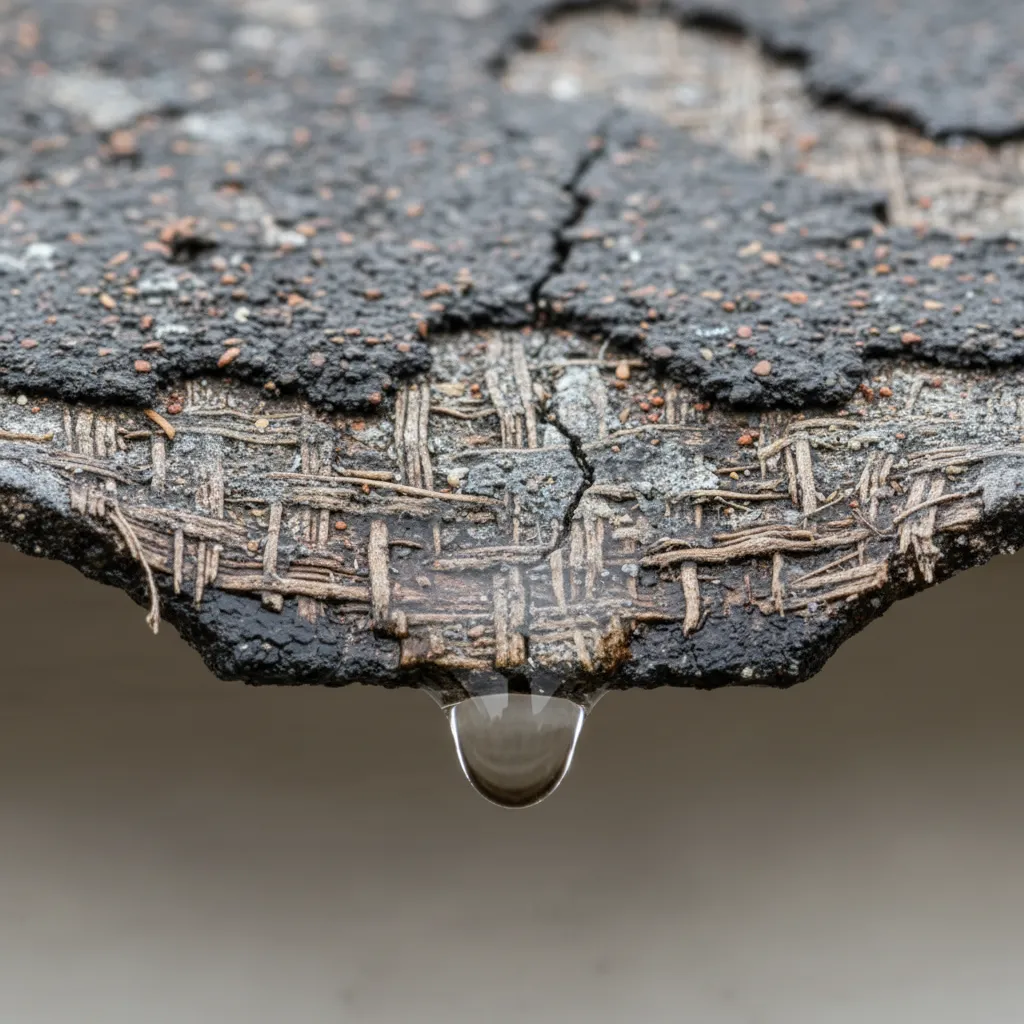
- Exterior damage: Take photos and video of your roof from multiple angles at ground level. Capture any visible missing shingles, dents in metal flashing, cracked ridge caps, or debris on the roof. If it's safe, photograph your gutters, downspouts, siding, and windows too — storm damage is often more widespread than it first appears.
- Interior damage: Check your attic, ceilings, and walls for water stains, drips, or dampness. Photograph any water marks, peeling paint, or sagging drywall. These are critical evidence that roof damage has allowed water intrusion.
- Debris and fallen materials: If shingles, tree limbs, or other debris landed in your yard, photograph them in place before moving anything. Save damaged materials — don't throw them away until your claim is fully settled.
- Date and timestamp: Make sure your phone or camera timestamps are accurate. Insurance companies want to see that damage documentation aligns with the storm date.
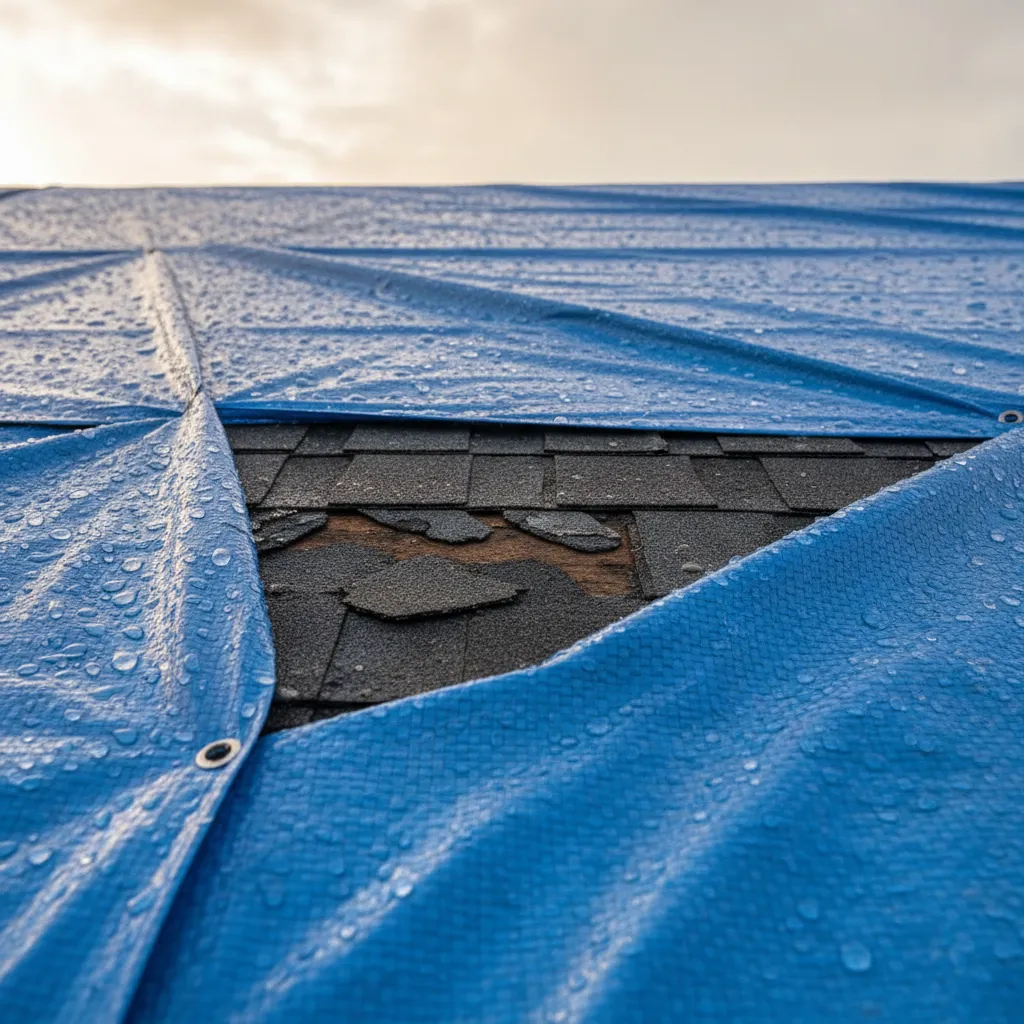
Emergency repairs are OK — but keep receipts. If you have an active leak, you're expected to take reasonable steps to prevent further damage. Tarping a hole or placing buckets to catch water is fine. Keep all receipts for emergency supplies — these costs are typically reimbursable. But do not make permanent repairs until your insurance company has inspected the damage.
Step 2: Review Your Insurance Policy
Before you pick up the phone to file a claim, take 15 minutes to review the key sections of your homeowners insurance policy. Understanding your coverage puts you in a much stronger position.
Know your deductible. Your deductible is the amount you pay out of pocket before insurance kicks in. Standard deductibles are typically $1,000-$2,500, but some Georgia policies have percentage-based wind/hail deductibles (often 1-2% of your home's insured value). A 2% deductible on a $300,000 home means you're responsible for the first $6,000 — a significant amount that changes the math on whether to file.
Understand ACV vs. RCV coverage. This distinction has a huge impact on your payout. Replacement Cost Value (RCV) policies pay the full cost to replace your roof with materials of similar kind and quality. Actual Cash Value (ACV) policies deduct depreciation — so a 15-year-old roof on an ACV policy will receive a significantly smaller payment. Check your declarations page to confirm which type of coverage you have.
Check for exclusions. Some policies exclude certain types of damage or have sub-limits for wind and hail. Cosmetic damage exclusions have become increasingly common in Georgia — meaning your insurer may only cover damage that affects the roof's function, not its appearance. Understanding these exclusions upfront prevents surprises later.
Step 3: Contact Your Insurance Company
Once you’ve documented the damage and reviewed your policy, it’s time to file the claim. Here’s how to handle this conversation effectively.
What to say:
- State the facts: "We had a storm on [date], and I've identified damage to my roof."
- Mention that you have photos and documentation ready.
- Ask for a claim number and write it down.
- Ask about timelines — when will an adjuster be assigned, and when can you expect an inspection?
- Ask if there are any specific forms or documentation they need from you.
What NOT to say:
- Don't volunteer that the roof was "old" or had "existing issues." Let the adjuster make that determination.
- Don't agree that the damage is "minor" — you may not know the full extent until a professional inspects.
- Don't accept a settlement or agree to any terms during this initial call. This is just the filing.
- Don't let them pressure you into using their preferred contractor. You have the right to choose your own (more on this below).
Pro tip: Keep a written log of every conversation with your insurance company — dates, names, what was discussed, and any commitments made. This paper trail is invaluable if disputes arise later.
Step 4: Get a Professional Roof Inspection
This step is where many homeowners either strengthen or weaken their claim. A professional roof inspection — conducted by a qualified, experienced roofing contractor — gives you an independent assessment of all damage, including damage that isn’t visible from the ground.
Why a professional inspection matters:
- Hidden damage is real. Hail damage to shingles often looks like minor bruising from the ground but has actually cracked the fiberglass mat underneath, compromising the shingle's waterproofing ability. Wind damage can loosen shingles and break their seal without visibly tearing them off. Only a thorough, hands-on inspection from a trained eye catches these issues.
- Professional documentation carries weight. A detailed inspection report with annotated photos, measurements, and material specifications gives your adjuster — and your insurance company — a clear, professional picture of the damage scope. It's much harder to deny or lowball a claim backed by thorough documentation.
- It's free. At True Hand Roofing, every storm damage inspection is completely free with no obligation. Our team brings 40+ years of combined experience in identifying and documenting storm damage. We provide a written report you can use when meeting with your adjuster.
When to schedule: Ideally, get your professional inspection before the insurance adjuster visits. This way, you have an independent damage assessment in hand and can ensure the adjuster doesn't overlook anything.
Step 5: Meet With the Insurance Adjuster
The adjuster’s visit is one of the most important moments in your claim. How you prepare for and handle this meeting directly affects your settlement.
Have your contractor present. This is critical. Your roofing contractor can walk the roof with the adjuster, point out all documented damage, explain the repair requirements, and ensure nothing is missed. Insurance adjusters are often handling dozens of claims simultaneously after a major storm — having a knowledgeable contractor present keeps the inspection thorough.
Share your documentation. Provide the adjuster with your photos, your contractor's inspection report, and any notes about interior damage or emergency repairs you've made. The more information they have, the more complete the initial assessment will be.
Don't be afraid to disagree. If the adjuster says certain damage isn't covered or isn't storm-related, you don't have to accept that on the spot. Ask them to explain their reasoning. If your contractor disagrees, make note of the discrepancy — you can address it through the supplemental claims process later.
Get everything in writing. After the inspection, request a copy of the adjuster's report and the preliminary scope of work. Review it carefully against your contractor's assessment before agreeing to anything.
Step 6: Review the Settlement and Get Repairs Done
Once the adjuster completes their assessment, your insurance company will issue a settlement — either approving or partially approving your claim.
Understand the scope of work. The settlement will include a detailed scope of work listing every item the insurance company agrees to cover. Review this carefully with your roofing contractor. Are all damaged areas included? Are the material specifications correct? Is the labor pricing in line with current North Georgia rates?
Compare to your contractor's estimate. If the insurance company's scope is significantly lower than your contractor's estimate, don't panic — this is common. The difference can often be resolved through a supplemental claim (see below).
Understand the two-check RCV process. If you have a Replacement Cost Value policy, your insurer typically issues payment in two stages. The first check covers the Actual Cash Value (replacement cost minus depreciation). You use this to begin repairs. After repairs are completed, you submit the final invoice and the insurer issues a second check for the "recoverable depreciation" — the remaining amount. This second check is only issued after work is done, so choose a contractor who understands this process.
Choose your own contractor. Under Georgia law, you have the absolute right to choose your own roofing contractor for covered repairs. Your insurance company may suggest preferred vendors, but they cannot require you to use them. Choose a local, licensed contractor who knows the area, carries proper insurance, and will advocate for the full scope of your claim.
Georgia-Specific Insurance Claim Rules
Georgia has specific laws and regulations that protect homeowners during the insurance claims process. Knowing your rights gives you leverage.
Filing deadline: Most Georgia policies require claims to be filed within one year of the damage date. However, we strongly recommend filing within 30 days. The longer you wait, the harder it becomes to prove the damage was storm-related — and your insurer has more grounds to question the claim.
Right to choose your contractor: Georgia law is clear — your insurance company cannot force you to use a specific contractor. They can recommend contractors, but the choice is yours. This is important because your contractor should be working for you, not for the insurance company.
No deductible waiving: It is illegal in Georgia for a roofing contractor to offer to "pay" or "waive" your deductible. This is considered insurance fraud. If a contractor makes this offer, it's a major red flag. Your deductible is your responsibility, and any legitimate contractor will be upfront about that.
Supplemental claims: If your contractor discovers additional damage during repairs — hidden water damage to the decking, for example — you can file a supplemental claim to cover the additional costs. This is a normal and common part of the process. Your contractor should document the additional damage with photos before proceeding with repairs.
Right to legal counsel: If you feel your insurance company is acting in bad faith — unreasonably delaying your claim, denying a valid claim without explanation, or offering a settlement far below the documented damage — you have the right to consult an attorney who specializes in insurance claims. Georgia's bad faith insurance laws protect homeowners from unfair practices.
What to Do If Your Claim Is Denied
A denial is not the end of the road. Many initially denied claims are successfully overturned with the right approach.
Request the denial in writing. Your insurance company must provide a written explanation of why the claim was denied. Common reasons include "pre-existing damage," "normal wear and tear," "cosmetic damage only," or "damage not consistent with reported storm." Understanding the specific reason is the first step to building your counter-argument.
Gather additional documentation. If the denial cites pre-existing damage, a detailed contractor report showing the damage pattern is consistent with the specific storm event can be powerful evidence. Weather reports, local storm damage reports, and even documentation from neighboring homes can support your case.
Request a re-inspection. You have the right to request that a different adjuster re-inspect your roof. Bring your contractor to this second inspection with comprehensive documentation. A fresh set of eyes — especially with your contractor pointing out specific damage indicators — can produce a different outcome.
File a formal appeal. Every insurance company has a formal appeals process. Submit your appeal in writing with all supporting documentation — your contractor's report, additional photos, weather data, and a clear explanation of why the denial is incorrect.
Consider a public adjuster. Public adjusters work for you — not the insurance company. They independently assess damage and negotiate with your insurer on your behalf. They typically charge 10-15% of the settlement, but they often recover significantly more than the homeowner would on their own.
Legal options as a last resort. If all else fails and you believe your claim was denied in bad faith, consulting an insurance claims attorney is a reasonable next step. Many offer free initial consultations and work on contingency (they only get paid if you win).
Common Mistakes That Hurt Your Roof Insurance Claim
After helping countless homeowners through the claims process, our team has seen the same mistakes come up again and again. Avoid these, and you’ll be in a much stronger position:
- Waiting too long to file. Every day you wait makes your claim weaker. Storm damage should be documented and reported within days, not months. Insurers can argue that damage worsened due to neglect if you wait too long.
- Not documenting damage thoroughly. A few blurry phone photos won't cut it. Take dozens of clear photos from multiple angles, including close-ups and wide shots that show context. Video walkthrough footage is even better.
- Making permanent repairs before the inspection. Emergency tarping is fine and expected. But replacing shingles, patching decking, or making other permanent repairs before the adjuster sees the damage destroys the evidence you need for a full settlement.
- Accepting the first offer without review. The initial settlement is a starting point, not a final offer. Always have your contractor review the scope and pricing before you accept. Supplemental claims are normal and expected — don't leave money on the table.
- Not having your contractor present for the adjuster visit. The adjuster may be thorough, or they may rush through your inspection. Having your contractor there ensures every area of damage is pointed out, discussed, and documented.
- Signing documents you don't understand. Never sign a contractor agreement, an assignment of benefits, or an insurance settlement without reading and understanding every line. If something is unclear, ask questions. A reputable contractor or insurance agent will be happy to explain.
Frequently Asked Questions About Roof Insurance Claims
How long do I have to file a roof insurance claim in Georgia?
What if my roof insurance claim is denied?
Should I get a roofing estimate before filing an insurance claim?
Can my insurance company require me to use a specific contractor?
What does ACV vs. RCV mean on my insurance policy?
Is it worth filing a claim for minor roof damage?
Get a Free Storm Damage Inspection
If your roof has been hit by a storm, you don’t have to figure this out alone. True Hand Roofing provides free, thorough storm damage inspections across North Georgia. We document every detail, provide you with a professional report, and guide you through the entire insurance claims process — from filing to final repair.
Our team brings 40+ years of combined experience working with insurance companies and fighting for fair settlements. We know what adjusters look for, we know how to document damage properly, and we know how to file supplements when the initial settlement falls short.
Need help with a storm damage claim? Visit our insurance claims page to learn more, or check out our storm damage repair services. You can also call us directly at (706) 455-9009 to schedule your free inspection.
We proudly serve homeowners across North Georgia, including Canton, Blue Ridge, Ellijay, Jasper, Dawsonville, Ball Ground, and all surrounding communities. Don't let a denied claim or a lowball settlement cost you thousands — get the expert help you deserve.