When your commercial roof starts to show its age — minor leaks, surface wear, aging seams, or fading reflectivity — it’s easy to assume you’re facing a massive capital expense for a full replacement. For building owners across Canton, Cherokee County, and Dawsonville, the sticker shock of a commercial roof replacement ($60,000-$120,000 for a typical building) can derail budgets and defer other critical investments.
But in many cases, there’s a smarter, more financially savvy option: restoring your roof with a fluid-applied coating. A roof coating isn’t just a layer of paint — it’s a thick, seamless, and durable membrane that can add 10-15 years of life to your existing roof at 50-70% less than the cost of replacement. Our team brings over 40 years of combined experience helping North Georgia building owners make the right decision between restoration and replacement, and here’s the full financial picture.
The Cost Comparison: Coating vs. Replacement
The numbers tell a compelling story. Here’s what the two options look like side by side for a 10,000-square-foot commercial building:
| Cost Factor | Roof Coating | Full Replacement |
|---|---|---|
| Material and labor | $20,000-$40,000 | $60,000-$120,000 |
| Tear-off and disposal | $0 | $10,000-$20,000 |
| Dumpster and hauling fees | $0 | $2,000-$5,000 |
| Landfill disposal costs | $0 | $1,500-$3,000 |
| Business disruption | Minimal (1-3 days) | Significant (1-2 weeks) |
| Total project cost | $20,000-$40,000 | $73,500-$148,000 |
| Savings with coating | 50-70% | — |
The $2-$4 per square foot cost of a coating versus $6-$12 per square foot for full replacement represents one of the most significant cost differences in commercial building maintenance. And because a coating is applied directly over your existing prepared roof surface, you eliminate the entire tear-off process — the most labor-intensive, disruptive, and expensive phase of any roof replacement project.
How Roof Coatings Work
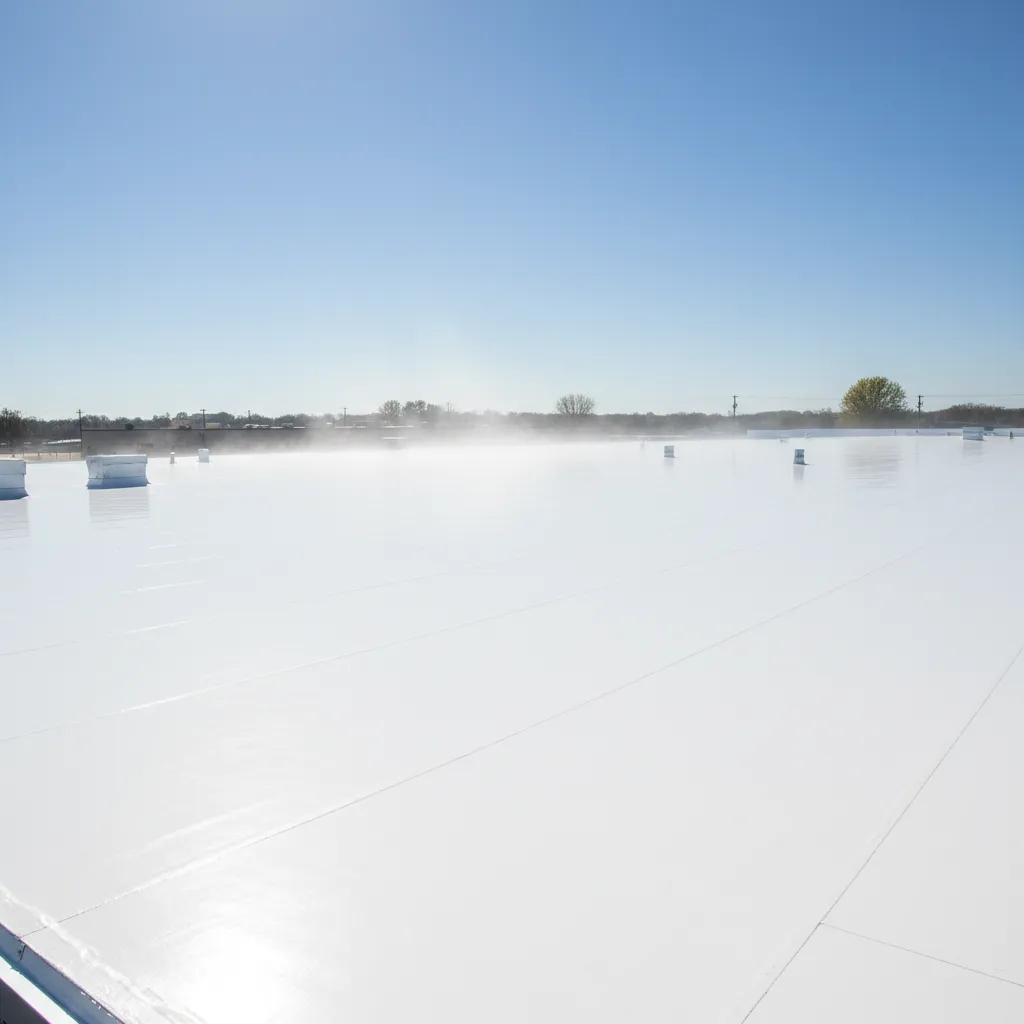
A commercial roof coating is a fluid-applied membrane — typically silicone, acrylic, or elastomeric — that is rolled, sprayed, or squeegeed onto your existing roof surface in multiple coats. When cured, it forms a continuous, seamless, waterproof barrier that bonds directly to the existing membrane.
The application process follows these general steps:
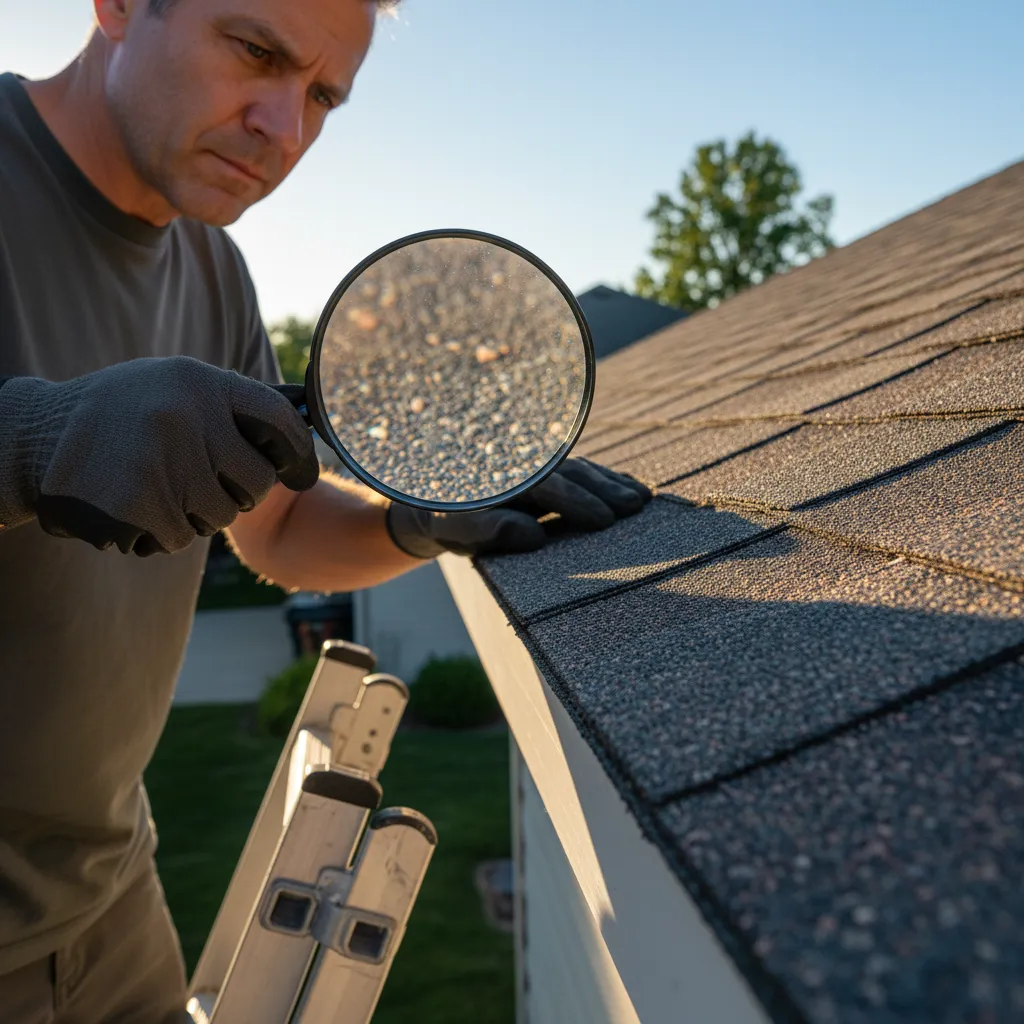
- Inspection and testing. The existing roof is inspected for structural integrity, and moisture scans identify any wet insulation that needs to be replaced before coating.
- Surface preparation. The roof is power-washed to remove dirt, debris, and oxidation. Any existing leaks, punctures, or seam issues are repaired.
- Primer application. A bonding primer is applied to ensure proper adhesion between the coating and the existing membrane.
- Coating application. Two or more coats of the selected coating system are applied at a combined dry film thickness of 20-30 mils. Each coat must cure before the next is applied.
- Inspection and warranty. The completed coating is inspected for uniform thickness and coverage, and the manufacturer’s warranty is issued.
The entire process typically takes 1-3 days for a standard commercial building, with minimal disruption to your business operations. There’s no heavy equipment, no demolition noise, and no exposed roof deck to worry about overnight.
Five Financial Benefits of Choosing Restoration
The cost savings at installation are just the beginning. A roof coating delivers financial advantages that compound over time:
1. Dramatically Lower Upfront Capital Expense. A full roof replacement is often the single most expensive maintenance project a building owner will face. By choosing a coating at $2-$4 per square foot instead of replacement at $6-$12 per square foot, you preserve tens of thousands of dollars in capital for other business investments. For multi-building property owners, the savings multiply — coating three buildings instead of replacing one, for example.
2. Potential Tax Advantages. How you pay for your roofing project affects your tax treatment. A full roof replacement is typically classified as a capital expenditure, which must be depreciated over a long period — often 39 years for commercial real property under IRS guidelines. A roof coating, however, is commonly classified as a maintenance or repair expense, meaning the entire cost may be deductible in the year it’s completed. This can create a significant tax benefit. Always consult your tax professional to confirm the treatment for your specific situation.
3. Immediate and Ongoing Energy Savings. Most roof coatings are highly reflective “cool roof” systems. A bright white silicone or acrylic coating reflects up to 80-88% of the sun’s thermal energy, dramatically lowering the surface temperature of your roof. On a hot Georgia summer day, the difference is striking: a dark, uncoated roof reaches 160-180 degrees Fahrenheit, while a freshly coated roof stays at 100-120 degrees — a reduction of 50-70 degrees.
This translates directly to lower cooling costs. Building owners typically see a 10-25% reduction in summer electricity bills after coating installation. For a commercial building spending $2,000-$3,000 per month on summer electricity, that’s $200-$750 per month in savings — $1,200-$4,500 per cooling season. Over a 10-15 year coating lifespan, the cumulative energy savings can reach $12,000-$45,000 or more.
4. Zero Disposal Costs and Environmental Impact. A full roof replacement generates enormous amounts of waste. A single 10,000-square-foot commercial tear-off can produce 15-25 tons of roofing debris that goes straight to the landfill, costing $1,500-$3,000 in disposal fees alone. A roof coating generates essentially zero waste — there’s no tear-off, no dumpsters, no hauling trucks, and no landfill contribution. For building owners with sustainability goals or environmental certifications (LEED, ENERGY STAR), this is a meaningful advantage.
5. Deferred Replacement Cost. A professional roof coating comes with a 10, 15, or even 20-year warranty. This allows you to safely and effectively defer the cost of a full replacement for a decade or more. When the coating eventually reaches end of life, you have another decision point: recoat for another 10-15 years (at the same $2-$4 per square foot) or replace. Many building owners go through two or three coating cycles before the underlying roof structure requires replacement — effectively tripling the original roof’s service life at a fraction of the replacement cost.
Coating Types: Silicone vs. Acrylic
The two most common commercial roof coatings each have distinct strengths:
| Feature | Silicone Coating | Acrylic Coating |
|---|---|---|
| Cost per sqft | $2.50-$4.00 | $1.50-$3.00 |
| Ponding water resistance | Excellent | Poor (degrades) |
| UV resistance | Excellent | Good |
| Reflectivity | 80-88% | 78-85% |
| Recoat lifespan | 12-15 years | 8-12 years |
| Dirt pickup | Moderate (can attract dirt) | Low |
| Best for | Flat roofs, heavy rain areas | Sloped roofs, dry climates |
For most North Georgia commercial buildings, we recommend silicone coatings because of our region’s heavy annual rainfall (50-60 inches) and the prevalence of flat commercial roofs where ponding water can occur. Silicone maintains its integrity even when submerged in standing water — acrylic cannot.
Is Your Roof a Good Candidate?
Not every roof qualifies for coating. The decision depends on the condition of your existing roof system:
Good candidates for coating:
- Roof is structurally sound with intact insulation
- Surface shows normal weathering and aging (chalking, minor granule loss)
- Seams are generally intact with isolated minor separations
- Less than 25% of the roof area has active issues
- Building owner plans to keep the property for 10+ years
Better candidates for replacement:
- Widespread moisture damage in the insulation (detected by moisture scan)
- Structural deck damage or sagging
- Multiple layers of roofing already in place (code limit reached)
- More than 25% of the roof has significant membrane damage
- The existing roof is past its structural service life
A professional inspection including infrared moisture scanning is the only reliable way to determine which category your roof falls into. This inspection typically costs $500-$1,500 depending on building size but is often credited toward the project cost if you move forward with a coating or replacement.
For a comprehensive self-evaluation, check our pre-application checklist to see if your roof is likely a good candidate before scheduling a professional inspection.
The Recoating Advantage: Perpetual Roof Life
One of the most powerful financial arguments for roof coatings is the recoating cycle. Unlike a traditional roof that must be completely torn off and replaced at end of life, a coated roof can simply be cleaned, re-primed, and recoated.
Here’s what the long-term cost comparison looks like over 30 years for a 10,000-square-foot building:
| Scenario | Year 0 | Year 12-15 | Year 25-30 | 30-Year Total |
|---|---|---|---|---|
| Coating (recoat cycle) | $30,000 coating | $30,000 recoat | $30,000 recoat | $90,000 |
| Replacement | $90,000 replace | — | $110,000 replace | $200,000 |
The coating approach saves approximately $110,000 over 30 years — more than 50% savings — while maintaining continuous waterproof protection. And each recoat is faster (1-2 days), less disruptive, and requires zero waste disposal.
When to Call a Professional
If any of the following describe your situation, it’s time to explore whether a roof coating makes sense for your building:
- Your commercial roof is 10-20 years old and showing signs of aging but not failing
- You’re budgeting for a roof replacement and want to explore a less expensive alternative
- Your energy bills spike during summer months and you want to reduce cooling costs
- You own multiple commercial properties and need a cost-effective maintenance strategy
- Your roof has minor leaks or seam issues that you’ve been patching repeatedly
Our team will inspect your existing roof, perform moisture testing where needed, and give you an honest recommendation — coating if your roof qualifies, or replacement if it doesn’t. We never recommend coating a roof that needs replacement, and we never recommend replacing a roof that could be restored. The right answer saves you money either way.
Contact True Hand Roofing for a free roof assessment, or get an instant estimate to start comparing your options.
Related Articles
Learn more about commercial roof maintenance and restoration: