Your attic’s ventilation system is one of the most critical — and most overlooked — components of a healthy roof. A properly ventilated attic keeps summer temperatures in check, prevents winter moisture buildup, and extends the life of your shingles by years. For homeowners across North Georgia, from Canton to Blue Ridge, understanding attic ventilation isn’t just academic — it directly impacts your energy bills and the longevity of your roof.
When it comes to choosing an exhaust vent system, the two most common options are ridge vents and box vents. Both are passive systems — meaning they rely on natural convection rather than electricity — but they differ significantly in performance, cost, and long-term effectiveness. Our team brings 40+ years of combined experience installing both systems, and in this guide, we'll break down everything you need to know to make the right choice.
How Attic Ventilation Works
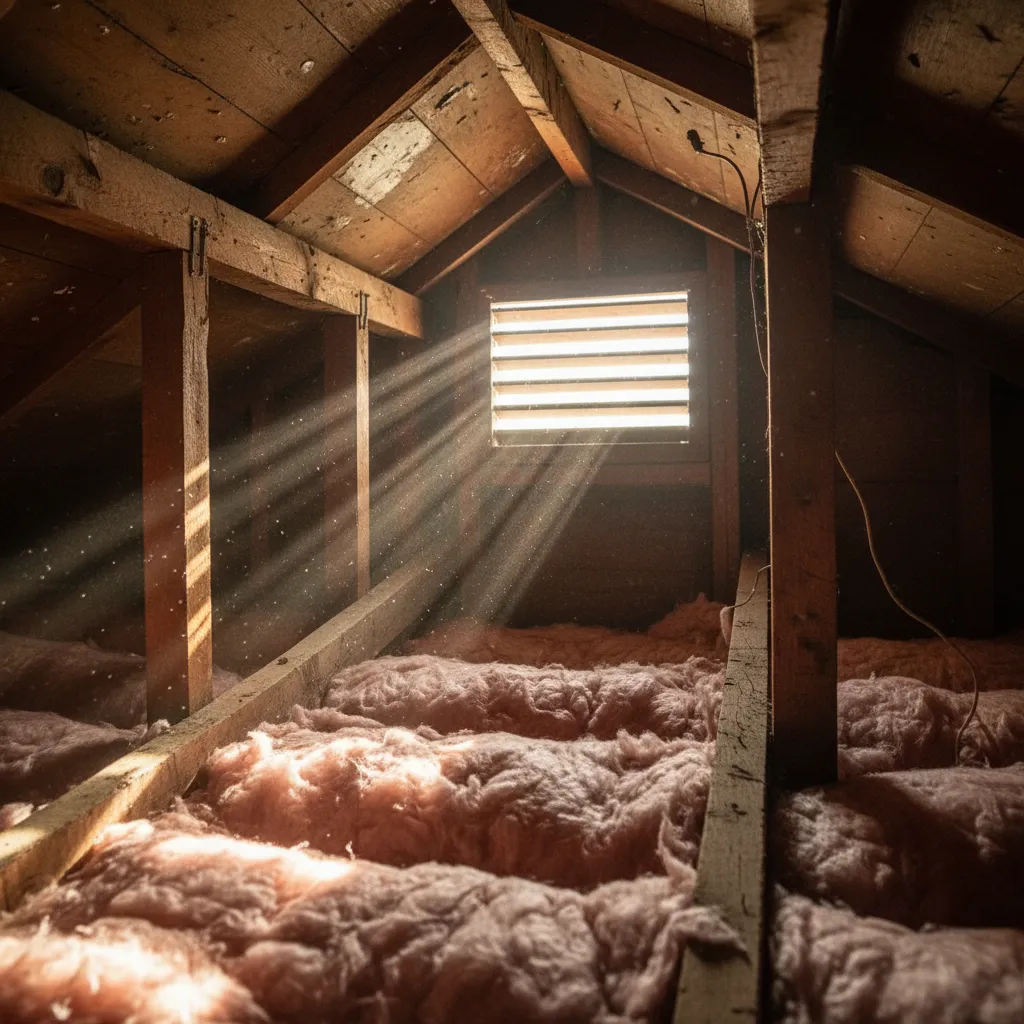
Before comparing vent types, it’s important to understand the basic principle behind attic ventilation. A balanced system requires two components working together: intake vents (typically soffit vents along the eaves) that draw cool, fresh air into the attic from below, and exhaust vents (at or near the ridge) that allow hot, moist air to escape from above.
As the sun heats your roof, the air inside your attic rises. Properly placed exhaust vents allow this superheated air to escape, while intake vents pull in cooler replacement air from outside. This continuous cycle — driven by the natural stack effect and wind — keeps attic temperatures manageable and prevents moisture from condensing on your roof deck.
The industry standard for ventilation is 1 square foot of net free ventilation area for every 150 square feet of attic floor space, split evenly between intake and exhaust. A 1,500-square-foot attic needs 10 square feet of total ventilation — 5 square feet of intake and 5 square feet of exhaust. Getting this ratio wrong leads to the same problems as having no ventilation at all.
Box Vents: The Traditional Approach
Box vents — also called louver vents, turtle vents, or static vents — are the older, more traditional exhaust solution. These are the small, hooded vents you’ll see dotted across the upper portion of many roofs in Ellijay and throughout North Georgia. Each box vent is installed over a hole cut into the roof decking, allowing hot air to rise and escape through the vent opening.
Cost: Box vents run $50-$100 per unit installed. A typical home needs 4-8 vents, putting total exhaust ventilation cost at $200-$800.
Advantages of Box Vents:
- Low individual cost — each unit is inexpensive to purchase and install
- Simple replacement — a single damaged vent can be swapped without affecting the rest
- Strategic placement — can be positioned to target specific hot spots in complex rooflines
- Widely available — any roofing supplier carries them
Disadvantages of Box Vents:
- Uneven ventilation — each vent only services the 10-15 feet of attic space directly below it, creating hot spots between vents
- Multiple roof penetrations — every box vent requires cutting a hole in your roof deck and flashing around it, and each penetration is a potential leak point
- Limited airflow capacity — each vent provides only about 50 square inches of net free area
- Aesthetic concerns — multiple vents protruding from the roofline can look cluttered
- Weather vulnerability — during heavy rain driven by 40+ mph winds, some box vents can allow water infiltration
Ridge Vents: The Modern Standard
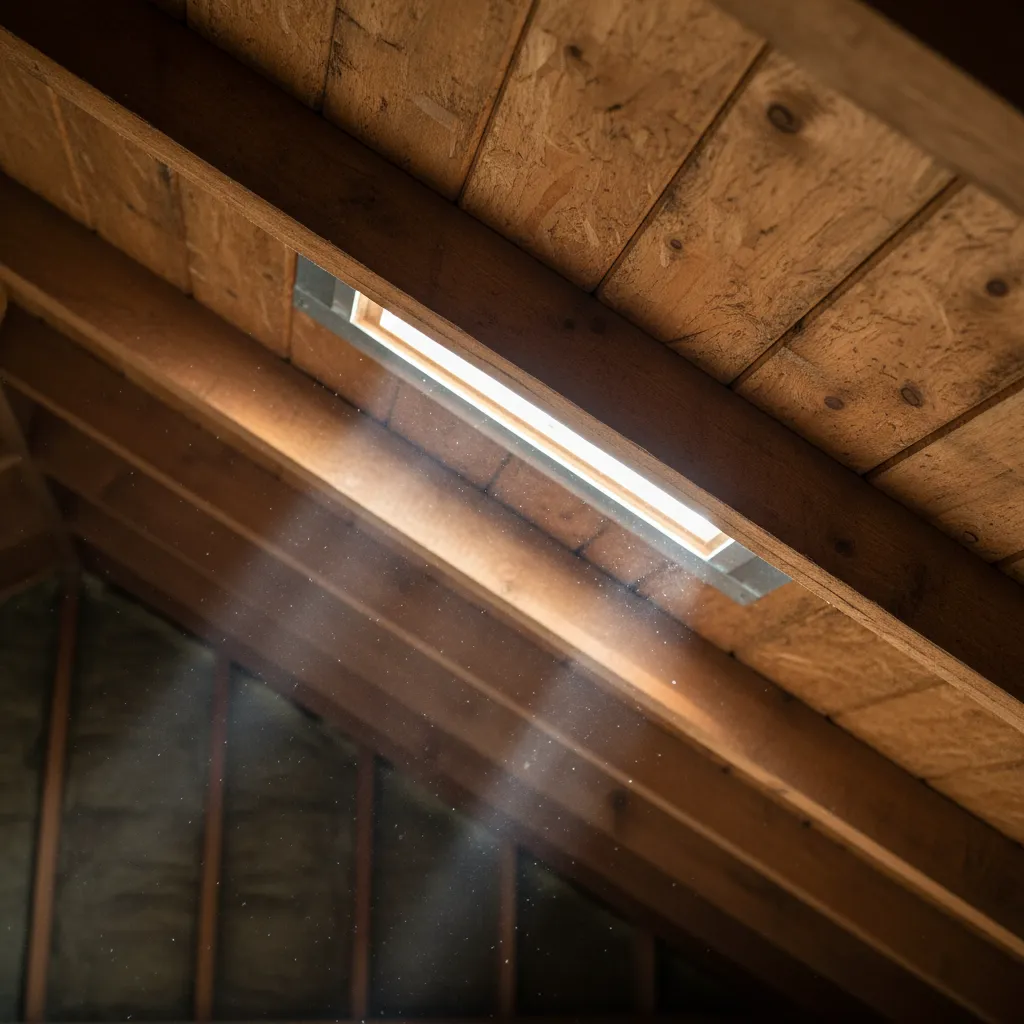
A ridge vent is a continuous ventilation strip installed along the entire peak (ridge) of the roof. The ridge cap shingles are installed over it, making the vent nearly invisible from ground level. Ridge vents work by allowing hot air to escape uniformly along the highest point of the roof — exactly where the hottest air naturally collects.
Cost: Ridge vent material runs $2-$4 per linear foot, with total installation typically costing $400-$700 for a standard residential roof. A typical 40-foot ridge provides approximately 720 square inches of net free ventilation area — often enough for the entire exhaust side of a properly balanced system.
Advantages of Ridge Vents:
- Continuous, uniform airflow — ventilates the entire attic evenly, eliminating hot spots entirely
- Provides 18 square inches of net free area per linear foot — highly efficient ventilation density
- Only one roof penetration — the ridge cut is sealed and protected by the vent and cap shingles, minimizing leak risk
- Nearly invisible — sits under the ridge cap for a clean, uncluttered roofline
- Built-in weather protection — modern ridge vents include external baffles and internal filters that block rain, snow, and insects
- Works with natural physics — positioned at the roof’s highest point, exactly where the hottest air collects
Disadvantages of Ridge Vents:
- Higher upfront cost — more expensive than a few box vents, though the gap narrows as you add more box vents
- Requires adequate soffit intake — without balanced intake ventilation, a ridge vent cannot function properly
- Not suitable for all roof designs — hip roofs with very short ridges may not have enough ridge length for adequate ventilation
Side-by-Side Comparison
Here’s how the two systems stack up across the key factors that matter most:
| Feature | Ridge Vent | Box Vents |
|---|---|---|
| Cost | $2-$4/linear ft ($400-$700 total) | $50-$100 each ($200-$800 for 4-8) |
| Airflow Pattern | Continuous, uniform along entire ridge | Localized to area directly below each vent |
| Net Free Area | 18 sq in per linear foot | ~50 sq in per vent |
| Roof Penetrations | One continuous cut at ridge | 4-8 individual cuts |
| Leak Risk | Low (single sealed penetration) | Moderate (multiple penetrations) |
| Appearance | Nearly invisible under ridge cap | Visible protrusions on roof surface |
| Weather Resistance | Excellent (baffled design) | Good (can admit wind-driven rain) |
| Best For | Standard gable and hip-gable roofs | Complex rooflines, supplemental ventilation |
Why Ventilation Matters So Much in North Georgia
Georgia’s climate creates a uniquely demanding environment for attic ventilation. Summer temperatures regularly push above 95 degrees, which can drive attic temperatures to 150 degrees or higher without adequate ventilation. That superheated attic acts like a radiant oven above your living space, forcing your air conditioning to work overtime and pushing energy bills up 15-25% during peak summer months.
But heat isn't the only concern. North Georgia's mountain communities — from Blue Ridge to Canton — experience significant temperature swings between day and night, especially in spring and fall. These swings cause warm, moist air in your attic to condense on the cooler underside of the roof deck. Over time, this moisture promotes mold growth, rots the plywood decking, and can even compromise the structural integrity of your roof framing.
If you're also dealing with inadequate attic insulation, the problem compounds. Poor ventilation and poor insulation together create a cycle of energy waste, moisture damage, and premature roof failure. Understanding your attic's R-value is just as important as choosing the right ventilation system.
Common Ventilation Mistakes to Avoid
Even with the right vent type, installation mistakes can undermine your entire ventilation system:
Blocking soffit vents with insulation: This is the most common mistake we see. When blown-in insulation is added to an attic, it can fill the soffit cavity and completely block intake airflow. Without intake, your exhaust vents — whether ridge or box — become useless. Baffles should always be installed to keep soffit vents clear.
Mixing exhaust vent types: Installing both ridge vents and box vents on the same roof can create a short-circuit effect. Instead of drawing air from the soffit vents, the ridge vent may pull air in through the nearby box vents, leaving large portions of the attic unventilated.
Inadequate intake ventilation: Many homes have sufficient exhaust ventilation but not enough intake. The best ridge vent in the world won't help if there's no pathway for replacement air to enter the attic. Intake and exhaust should be balanced at a 50/50 ratio.
Sealing the attic too tightly: While air sealing around penetrations (plumbing, wiring, recessed lights) is important for energy efficiency, the attic itself needs airflow. A properly ventilated attic is intentionally "leaky" to the outside — just not to your living space below.
When to Call a Professional
If your energy bills are climbing, your shingles are aging prematurely, or you’ve noticed moisture in your attic, it’s time for a professional ventilation assessment. Our experienced roofers evaluate your entire system — intake, exhaust, insulation, and air sealing — to identify exactly where the problem lies.
Whether your home needs a ridge vent upgrade, additional soffit intake, or a complete ventilation overhaul, True Hand Roofing provides free, thorough attic assessments with no obligation. Contact us today to schedule yours, or get a quick ballpark with our free instant estimate tool.
We proudly serve homeowners across North Georgia, including Canton, Blue Ridge, Ellijay, and the surrounding mountain communities. Our team brings 40+ years of combined experience, and every ventilation project gets the same expert attention — from initial assessment through final inspection.
Related reading: Is Your Attic Costing You Money? The Importance of Ventilation & Insulation | What Is R-Value? A Homeowner’s Guide to Attic Insulation in Georgia