When most homeowners think about adding a skylight, they picture the obvious benefit — a room flooded with beautiful natural light. But modern solar-powered skylights deliver far more than ambiance. They open to provide fresh air ventilation, close automatically when it rains, reduce your energy bills, and qualify for a generous 30% federal tax credit that can save you hundreds or even thousands of dollars.
That combination of functionality and financial incentive makes solar-powered skylights one of the smartest home upgrades available to North Georgia homeowners. Whether you live in Blue Ridge, Dahlonega, or Ellijay, here’s everything you need to know about how these skylights work, what they cost, and how to claim the tax credit.
At True Hand Roofing, our team brings 40+ years of combined experience installing skylights across North Georgia. We're proud to install VELUX solar-powered skylights and can walk you through the entire process from product selection to tax credit documentation.
How Solar-Powered Skylights Work
The VELUX “Fresh Air” Solar-Powered Skylight is a significant step beyond a traditional fixed skylight. It combines natural lighting with active ventilation and intelligent rain protection — all powered entirely by the sun.
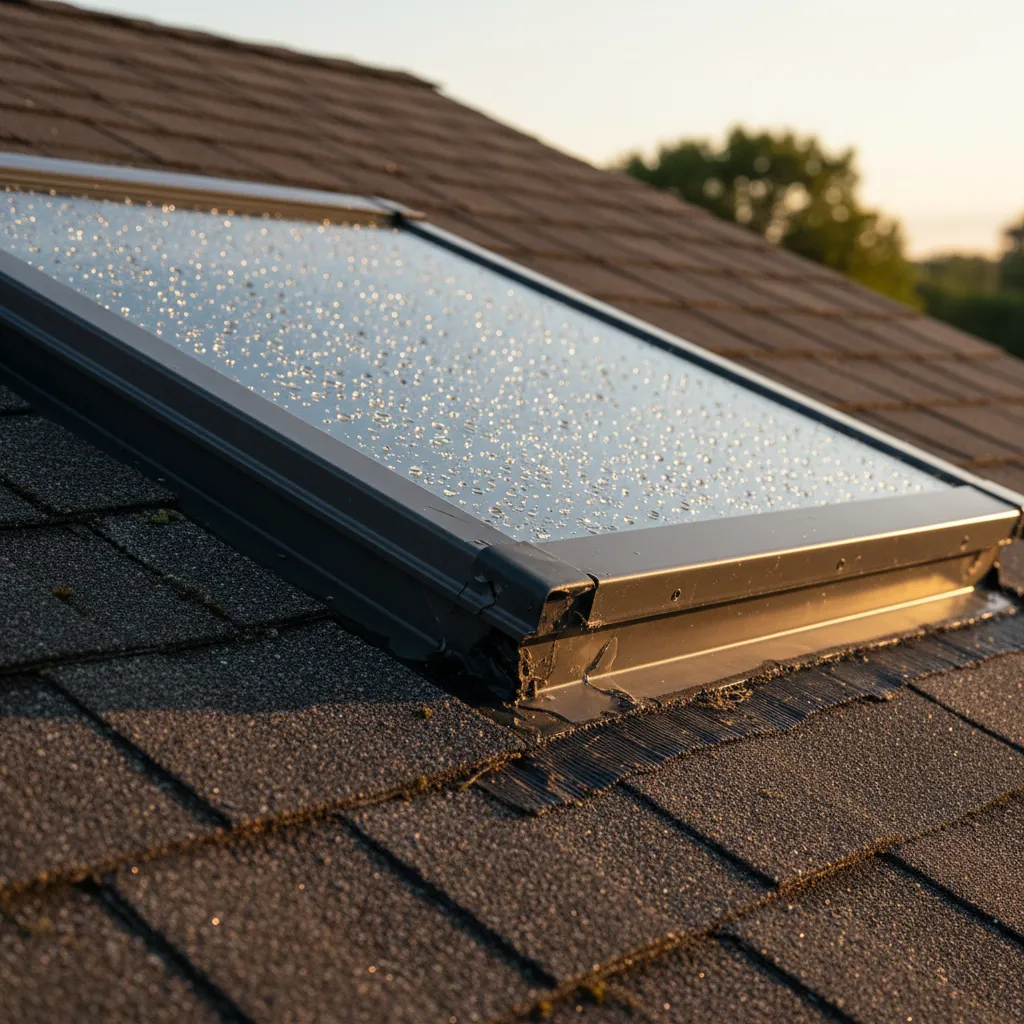
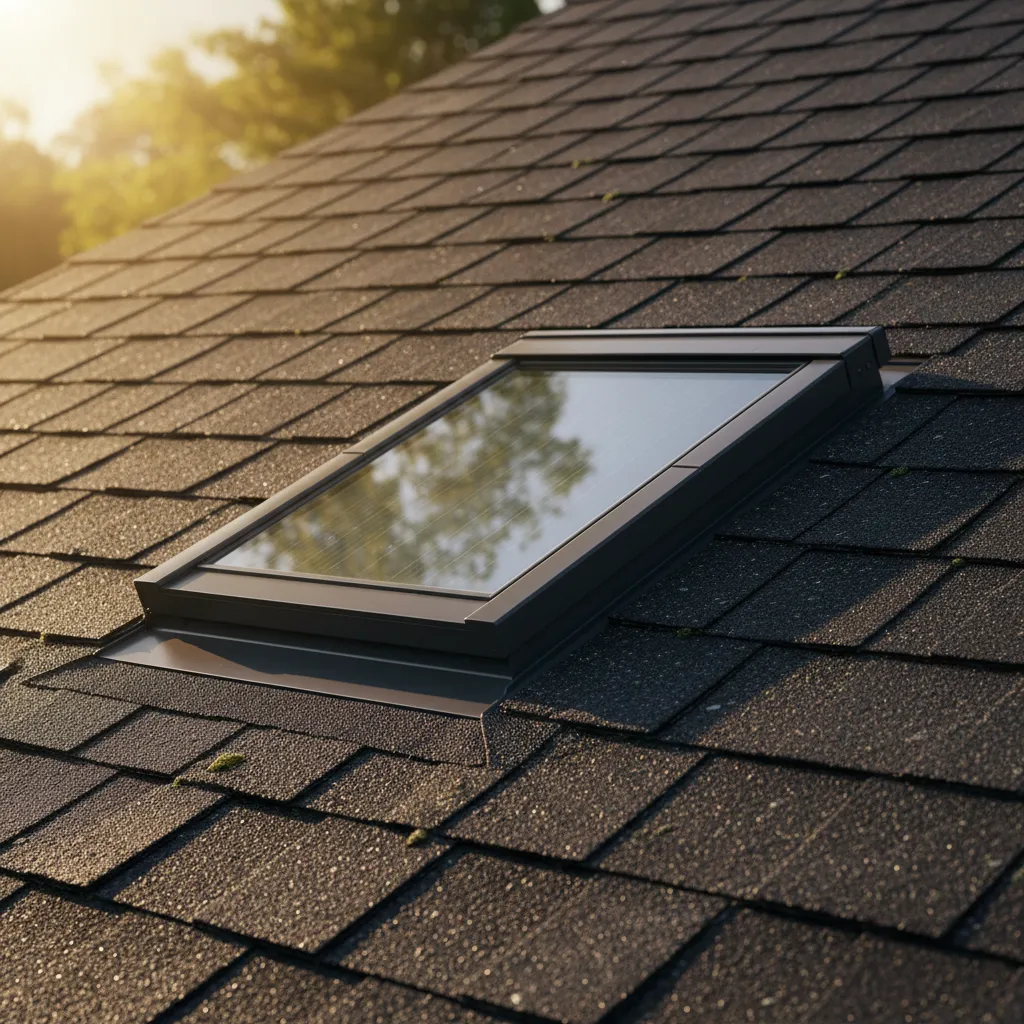
Solar-powered operation. A small, discreet solar panel mounted on the exterior of the skylight captures sunlight throughout the day and charges a concealed battery inside the frame. This battery powers the motor that opens and closes the skylight. No electrical wiring runs to the skylight — it's completely self-contained, which means faster installation, lower labor costs, and no need to hire an electrician.
Remote-controlled ventilation. You operate the skylight with a simple remote control (or a programmable keypad). Open it to let in fresh air, close it with the press of a button, or set it to open at scheduled times. The motor is whisper-quiet and operates smoothly even after years of use.
Automatic rain sensor. This is the feature that puts homeowners at ease. A built-in sensor on the skylight detects the first drops of rain and automatically closes the unit — even if you're not home, asleep, or simply forgot it was open. No more rushing to close windows during a sudden Georgia thunderstorm.
No wiring required. Because the system is entirely solar-powered, installation is significantly simpler than a traditional hardwired electric skylight. Your installer cuts the roof opening, installs the flashing system, and sets the unit in place. There's no need to run electrical conduit through your attic or walls, which saves $300-$500 in electrician fees and reduces installation time by several hours.
The 30% Federal Solar Tax Credit
Here’s where the financial picture becomes genuinely compelling. Because solar-powered skylights are officially classified as “solar energy property,” the entire project qualifies for the federal Residential Clean Energy Credit under Section 25D of the tax code.
What the credit covers:
- 30% of the total project cost — including the skylight unit itself, the flashing kit, and all installation labor
- Solar-powered blinds — factory-installed VELUX solar blinds also qualify for the credit
- Multiple skylights — if you install two or three skylights in a single project, the entire combined cost qualifies
Real-world savings example: If your total project cost for one solar-powered skylight with installation is $2,500, you receive a $750 tax credit. Install two skylights at $4,500 total, and your credit is $1,350. This is a dollar-for-dollar reduction of your federal income tax liability — not a deduction, which only reduces your taxable income. A $750 credit saves you exactly $750 in taxes owed.
Key details about the credit:
- No income cap. Unlike some other energy credits, there is no maximum income limit to qualify.
- No annual limit. The credit amount is not capped — 30% of your total project cost, period.
- Available through 2032. The Inflation Reduction Act (IRA) guarantees the 30% rate through December 31, 2032. It drops to 26% in 2033 and 22% in 2034.
- Must be ENERGY STAR certified. The skylight must carry the ENERGY STAR label to qualify. All VELUX solar-powered skylights meet this requirement.
- Primary residence or second home. The property must be a home you own and use — rental properties do not qualify.
(Note: We are roofing contractors, not tax advisors. Please consult your tax professional to confirm your eligibility and ensure the credit is properly claimed on your return.)
Energy Savings Beyond the Tax Credit
The tax credit gets the headlines, but the ongoing energy savings from a solar-powered skylight are what make it a true long-term investment.
Reduced electric lighting costs. A well-placed skylight can reduce electric lighting usage in the room below by 10-20% during daylight hours. In North Georgia, where we average 217 sunny days per year, that's a significant amount of free, high-quality natural light replacing electricity you'd otherwise be paying for.
Passive cooling through the chimney effect. When you open a solar-powered skylight on a cool evening, hot air naturally rises and escapes through the opening while cooler air is drawn in through lower windows. This "chimney effect" creates natural, energy-free ventilation that can reduce your reliance on air conditioning during spring and fall — precisely the seasons when North Georgia temperatures are mild enough to take advantage of it.
Improved air quality. Regularly circulating fresh air helps vent stale indoor air, cooking odors, and indoor pollutants. Studies show that improving natural ventilation can reduce indoor air pollution by 30-50%, creating a healthier living environment for your family.
Moisture control. Venting skylights are particularly effective in kitchens and bathrooms, where they remove steam and moisture far more effectively than standard exhaust fans. Reducing moisture helps prevent mold and mildew growth — a real concern in Georgia's humid climate.
What Does Installation Look Like?
Professional skylight installation typically takes one day for a single unit, including all roofing integration work. Here’s what to expect.
Pre-installation assessment (30-60 minutes). Your installer evaluates the roof structure, identifies the ideal placement based on the room below and roof orientation, and confirms there are no obstructions (rafters, wiring, plumbing) in the installation path.
Installation (4-6 hours for one skylight). The crew opens the roof, installs the curb frame, sets the skylight unit, and integrates the 3-layer VELUX flashing system with your existing roofing material. The solar panel and rain sensor are pre-installed on the unit — there's no additional setup required.
Interior finishing (1-2 hours). If your skylight opens directly into the room below (no light shaft needed), interior trim and finishing is minimal. If a light shaft is needed to connect the skylight to a room below the attic, additional framing and drywall work may add time and cost.
Total installed cost: $1,500-$3,000 per skylight. This range covers the skylight unit, flashing kit, and standard installation labor. Factors that affect cost include roof pitch, accessibility, skylight size, and whether a light shaft is needed. After the 30% tax credit, your effective cost drops to $1,050-$2,100.
Concerned about leaks? Read our guide on the 3 common causes of skylight leaks to understand why proper flashing — which VELUX's system excels at — is the key to a worry-free installation.
Best Rooms for Solar-Powered Skylights
Not every room benefits equally from a skylight. The best candidates are rooms that would benefit from both natural light and ventilation.
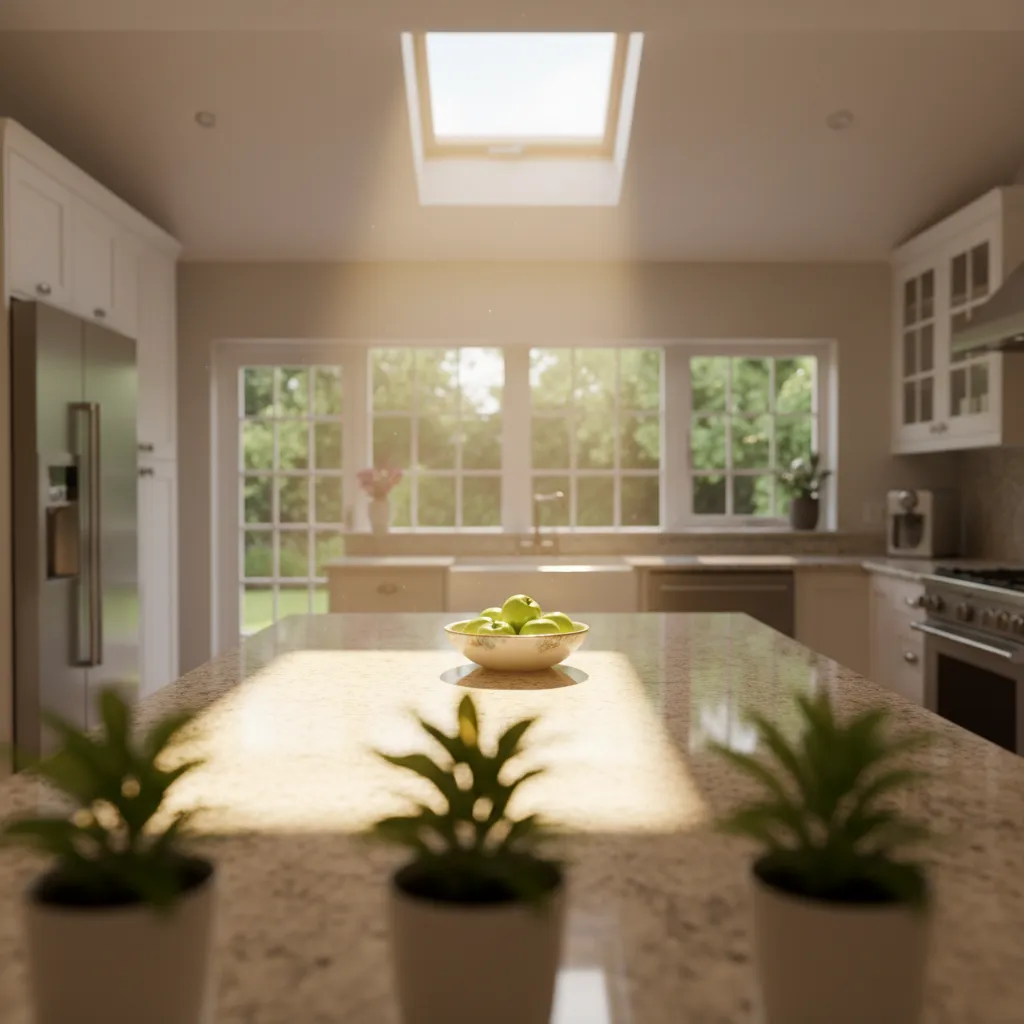
Kitchens: Reduce electric lighting while cooking, and use the venting feature to clear cooking odors and heat. A skylight over a kitchen island is one of the most popular and impactful placements.
Bathrooms: Natural light transforms a dark bathroom into a spa-like space, while the venting function removes shower steam far better than a standard exhaust fan — without sacrificing privacy.
Hallways and stairwells: These chronically dark spaces are transformed by a single skylight, bringing natural light to areas that would otherwise rely entirely on artificial lighting.
For a detailed look at the best placement options, check out our guide on where to install a skylight for maximum impact.
When to Call a Professional
Solar-powered skylight installation is not a DIY project. Proper flashing integration with your existing roof is critical to prevent leaks, and incorrect installation voids both the manufacturer warranty and your eligibility for the federal tax credit.
At True Hand Roofing, we handle the entire process — from helping you choose the right skylight size and placement to ensuring a watertight installation that meets all ENERGY STAR and tax credit requirements. We serve homeowners throughout Blue Ridge, Dahlonega, Ellijay, and all of North Georgia.
Ready to brighten your home and save on your taxes? Contact us for a free skylight consultation or get an instant estimate to see what a solar-powered skylight would cost for your home.
Related reading: Leaking Skylight? 3 Common Causes and How to Fix Them | Where to Install a Skylight for Maximum Impact