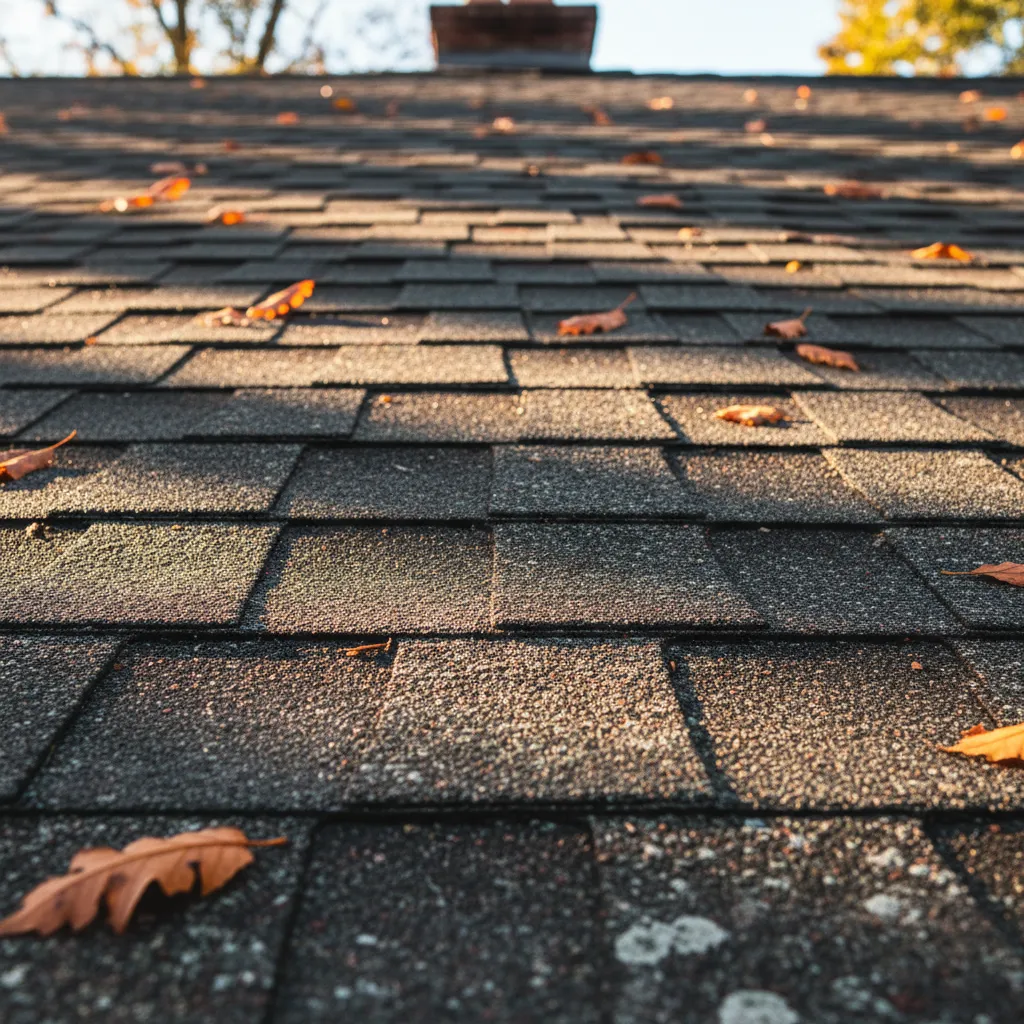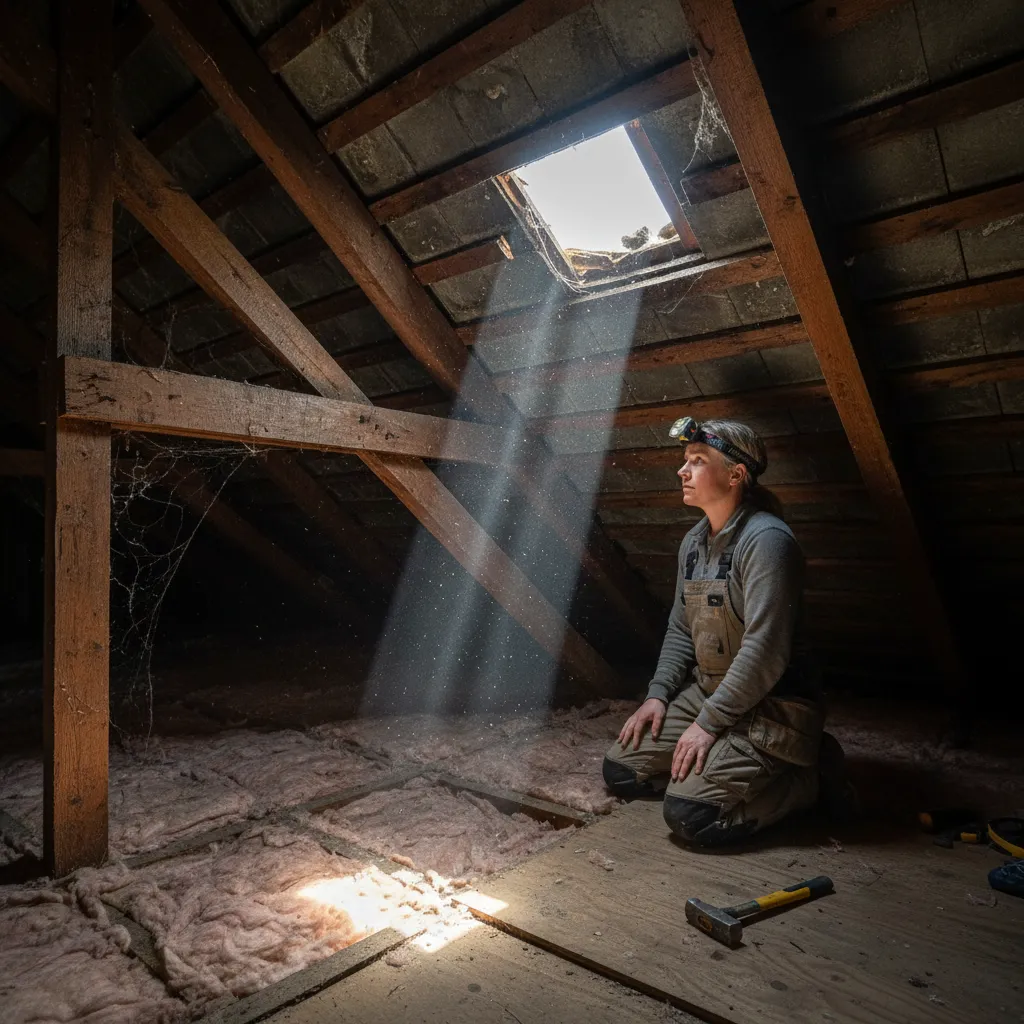
It is just a small water spot on the ceiling. A tiny drip in the attic after a heavy rain. It is easy to dismiss a minor roof leak as a problem for another day — but this is one of the most costly mistakes a homeowner can make. That “small” leak is a silent destroyer, working behind the scenes to cause damage that far exceeds what you can see.
Here is the math that should keep every homeowner awake at night: a roof leak that costs **$300-$500 to fix today** can escalate to **$5,000-$15,000** if ignored for even a single season. For homeowners in Canton, Blue Ridge, and Jasper — where Georgia's humidity averages 60-80% year-round — the conditions for rapid damage escalation are always present.
Ignoring a leak, no matter how small, will always cost you more in the long run. Here is exactly what happens when water enters your home through a compromised roof — and why you need to address any sign of a leak immediately with a professional roof repair.
The Escalation Timeline: How Small Leaks Become Big Problems
Understanding the timeline of water damage helps explain why urgency matters. Here is what happens after a leak begins:
| Timeframe | What Happens | Estimated Cost Impact |
|---|---|---|
| Day 1 | Water penetrates roofing material, wets underlayment and decking | $300-$500 (if fixed now) |
| 24-48 hours | Mold spores activate on damp surfaces | Mold remediation adds $1,500-$5,000 |
| 1-4 weeks | Insulation becomes saturated and loses R-value | Insulation replacement adds $500-$2,000 |
| 1-3 months | Wood decking begins to soften and rot | Decking replacement at $3-$5/sqft |
| 3-6 months | Structural components (rafters, joists) weaken | Structural repair adds $3,000-$8,000 |
| 6-12 months | Widespread structural and cosmetic damage | Total cost: $5,000-$15,000+ |
Every week you wait, the repair scope expands. What starts as a shingle fix becomes a decking job, then a structural job, then a mold remediation project — each layer adding significant cost.
Hidden Structural Damage
The water spot you see on your ceiling is just the symptom. The real damage is happening in places you cannot see — inside your roof system, behind your walls, and throughout your attic.
As water seeps through your roof, it saturates the wood decking, rafters, and ceiling joists. Water follows the path of least resistance, often traveling 10-15 feet along a rafter or sheathing seam before finally dripping down. This means the water entry point on the roof can be far from where the stain appears on your ceiling. The damage is happening along the entire path.
Wood rot is the most serious structural consequence. Once wood stays wet for extended periods, fungi break down the cellulose fibers that give wood its strength. Rotted rafters and decking lose their ability to support the weight of your roofing system — and in extreme cases, sections of roof can sag or collapse. Replacing rotted decking costs $3-$5 per square foot, and structural rafter repair can run $1,000-$3,000 per affected area.
Compromised insulation is the hidden energy cost. Waterlogged insulation compresses, loses its R-value, and becomes essentially useless as a thermal barrier. Your heating and cooling systems work harder, energy bills climb, and the damp insulation itself becomes a breeding ground for mold. In North Georgia's humid climate, saturated insulation can take months to dry naturally — and often never fully recovers its performance.
The Mold Threat: 24-48 Hours Is All It Takes
Where there is persistent moisture, mold follows — and it follows fast. In Georgia’s warm, humid conditions, mold spores can begin colonizing damp wood and insulation within 24-48 hours of the initial moisture exposure.
A damp, dark attic with poor airflow is the ideal breeding ground for mold and mildew, including toxic black mold (Stachybotrys chartarum). Once established, mold does not stay put — it releases spores that travel through your home's HVAC system, spreading to living spaces and creating health hazards for your family.
The health effects of indoor mold exposure include respiratory irritation, allergic reactions, chronic coughing, headaches, and worsened asthma symptoms. For young children, elderly family members, and anyone with compromised immune systems, the risk is even greater.
Professional mold remediation is not cheap. Depending on the extent of contamination, costs range from **$1,500 to $5,000** — and that does not include the roof repair that caused the problem in the first place. A $400 leak repair today could prevent a $5,000 mold remediation bill tomorrow.
Fire Hazard from Electrical Shorts
This is the risk that most homeowners never consider: water and electricity do not mix. If a leak drips onto electrical wiring in your attic or ceiling, it can cause a short circuit. This can trip your breakers, destroy light fixtures, damage appliances — and in the worst case, start a fire.
Electrical systems in attics are particularly vulnerable because they are often close to the roof deck where leaks originate. If you notice flickering lights, tripped breakers, or a burning smell near any ceiling fixture, treat it as an emergency — turn off the circuit at the breaker panel and call for both an electrician and a roofer immediately.
Why Leaks Never Fix Themselves
A roof leak will never stop on its own — it only gets worse. Every rain event pushes more water through the breach, eroding surrounding materials and expanding the failure zone. A pinhole gap around a pipe boot becomes a quarter-inch gap. A cracked shingle becomes a missing shingle. A soft spot in the decking becomes a hole.
Georgia averages 50 inches of rainfall per year, with some mountain areas receiving 60-70 inches. That means your roof faces dozens of rain events every year, each one pushing water through the same vulnerable points. The erosion is cumulative and accelerating — the longer you wait, the faster the damage spreads.
For homeowners curious about what a leak repair actually involves — and how professionals trace a leak to its true source — our guide on how to find a roof leak explains the detective work involved.
Warning Signs You Should Never Ignore
Not all leaks announce themselves with a dramatic ceiling drip. Many leaks cause hidden damage for weeks or months before visible symptoms appear. Watch for these warning signs:
- Water stains on ceilings or walls — especially brown or yellowish rings that grow over time
- Musty odors in the attic, upper floors, or near ceiling fixtures
- Peeling or bubbling paint on ceilings or exterior soffits
- Sagging drywall — soft spots or warping that indicates trapped water
- Dark spots or streaks on attic rafters or sheathing
- Unexplained increases in energy bills (indicating compromised insulation)
- Granules in gutters — excessive granule loss can indicate shingle failure that leads to leaks
If you notice even one of these symptoms, do not wait for the next storm to confirm it. Call for a professional inspection now.
What to Do If You Suspect a Leak
If you see a water stain, notice a musty smell in your attic, or hear a drip after rainfall, take these steps immediately:
- Contain the water — Place a bucket under the drip and move belongings away from the affected area. If water is pooling on the ceiling, carefully puncture the center of the bulge with a small nail to drain it into a bucket and relieve pressure on the drywall.
- Document everything — Take photos and videos of the leak, stains, and any visible damage. Note the date and weather conditions. This documentation is valuable if you file an insurance claim.
- Call a professional — Contact an experienced roofing contractor for an inspection. Do not attempt to climb on your roof or make repairs yourself — the source of the leak is rarely where the water appears inside.
Understanding the cost of repairs can help you plan and budget. Our breakdown of roof repair costs in Georgia covers what to expect based on the type and severity of damage.
When to Call a Professional
The answer is simple: now. If you have any suspicion that your roof is leaking — a stain, an odor, a drip, or just a gut feeling after a storm — call for an inspection today. Our team of experienced roofers can trace the leak to its source, assess the full extent of any damage, and provide a permanent, professional repair before the problem escalates.
Do not let a small drip turn into a major disaster. Contact True Hand Roofing at the first sign of a leak for a fast, free repair estimate, or get started with a free instant estimate.
Related articles: The Cost of Roof Repair in Georgia | How to Find a Roof Leak: A Homeowner’s Guide to Detective Work