As a homeowner, you have a long list of annual chores: cleaning the gutters, pressure washing the siding, servicing the HVAC. But one of the most important maintenance tasks is often forgotten until it’s too late: checking on your roof.
Your roof takes a constant beating from the Georgia sun, heavy rains, and high winds. A proactive approach to roof maintenance can save you thousands of dollars in the long run by catching small problems before they become major disasters. While we always recommend a professional roof inspection for a detailed analysis, here is a simple, safe, ground-level checklist you can perform twice a year—once in the spring and once in the fall.
Your Safe, Ground-Level Roof Maintenance Checklist
All you need for this check-up is a pair of binoculars and a keen eye.
1. The View from the Street:
- Look for Obvious Damage: Stand back at the curb and use your binoculars to scan the entire surface of your roof. Are there any shingles that are obviously missing, cracked, or have curled edges?
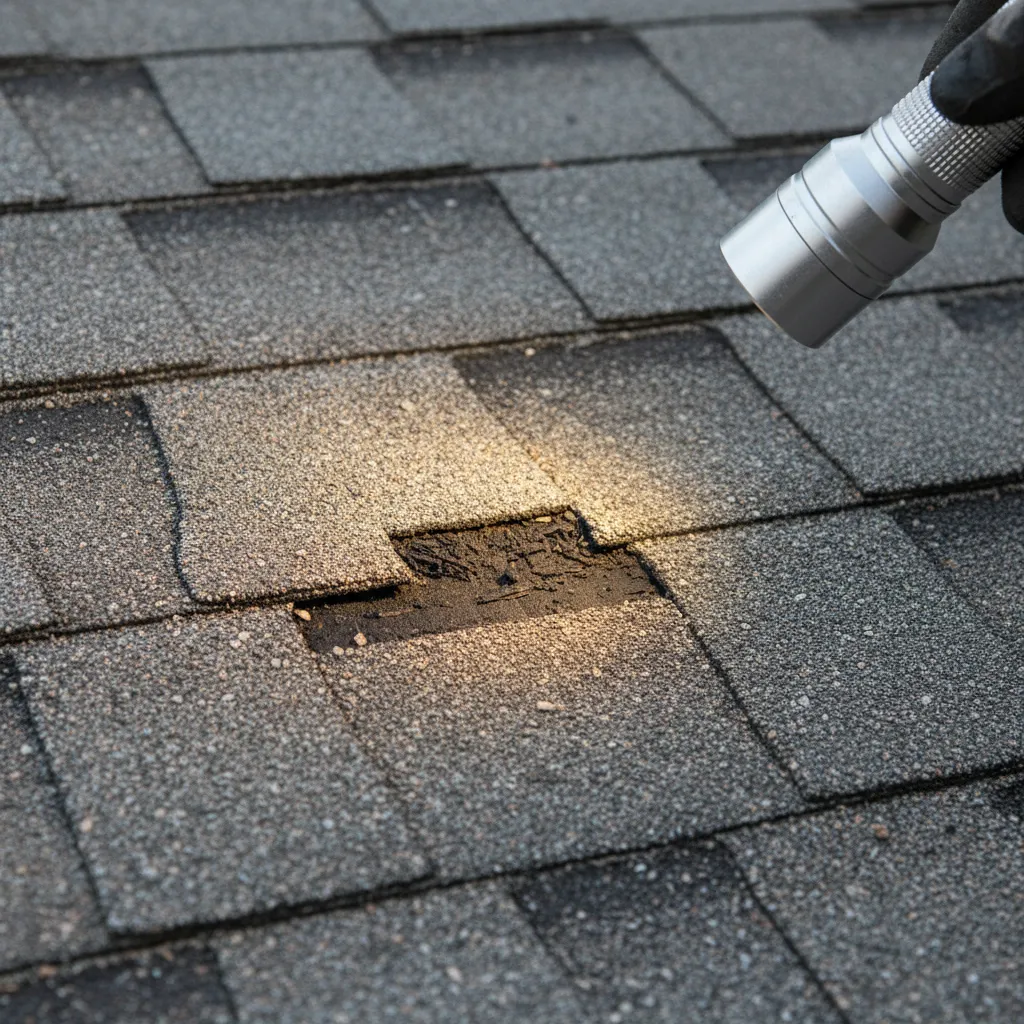
- Check for "Bald Spots": Look for areas where the protective granules have worn off, exposing the dark asphalt layer underneath.
- Note Any Stains or Streaks: Look for dark streaks, which could be algae (common in our humid climate), or signs of rust on your flashing.
2. Inspect Your Gutters:
- Look for Granule Buildup: Check the ground around your downspouts. A large accumulation of shingle granules is a sign that your shingles are aging and deteriorating.
- Check for Clogs: While you're cleaning your gutters, look for any blockages. Clogged gutters can cause water to back up under your shingles, leading to rot in the roof decking and fascia boards.
3. Check Your Vents and Penetrations:
- Examine the Seals: Use your binoculars to look at the vents and pipes coming out of your roof. Check the rubber "boots" or collars around them. Do they look cracked, brittle, or pulled away from the pipe? These are common failure points.
- Look at the Flashing: Check the metal flashing around your chimney. Does it look rusted, bent, or pulled away from the brick?
4. The Interior Check (In Your Attic):
- Look for Daylight: On a sunny day, go into your attic (without turning on the lights). Look up at the underside of the roof deck. Do you see any pinpricks of light coming through? If you do, you have a hole.
- Check for Stains or Moisture: With a flashlight, scan the rafters and the underside of the decking. Look for any dark water stains, active moisture, or signs of mold and mildew.
- Inspect the Insulation: Is your insulation damp or compacted in any areas? This is a sure sign of a leak.
When to Call a Professional
This DIY checklist is a great way to keep a general eye on your roof’s health. However, if you notice any of the issues listed above, or if your roof is over 15 years old, it’s crucial to schedule a professional roof inspection.
A certified inspector can safely get on your roof to perform a detailed, hands-on assessment, catching subtle issues you can’t see from the ground and giving you a complete picture of your roof’s condition. Think of it as an affordable insurance policy against future emergencies.
Has it been a while since your roof was professionally inspected? Contact True Hand Roofing to schedule your free, no-obligation inspection today. We serve homeowners across North Georgia, including Holly Springs, Cleveland, and the surrounding communities.